Chateau d Augerville: A Legacy of Resilience and Refinement
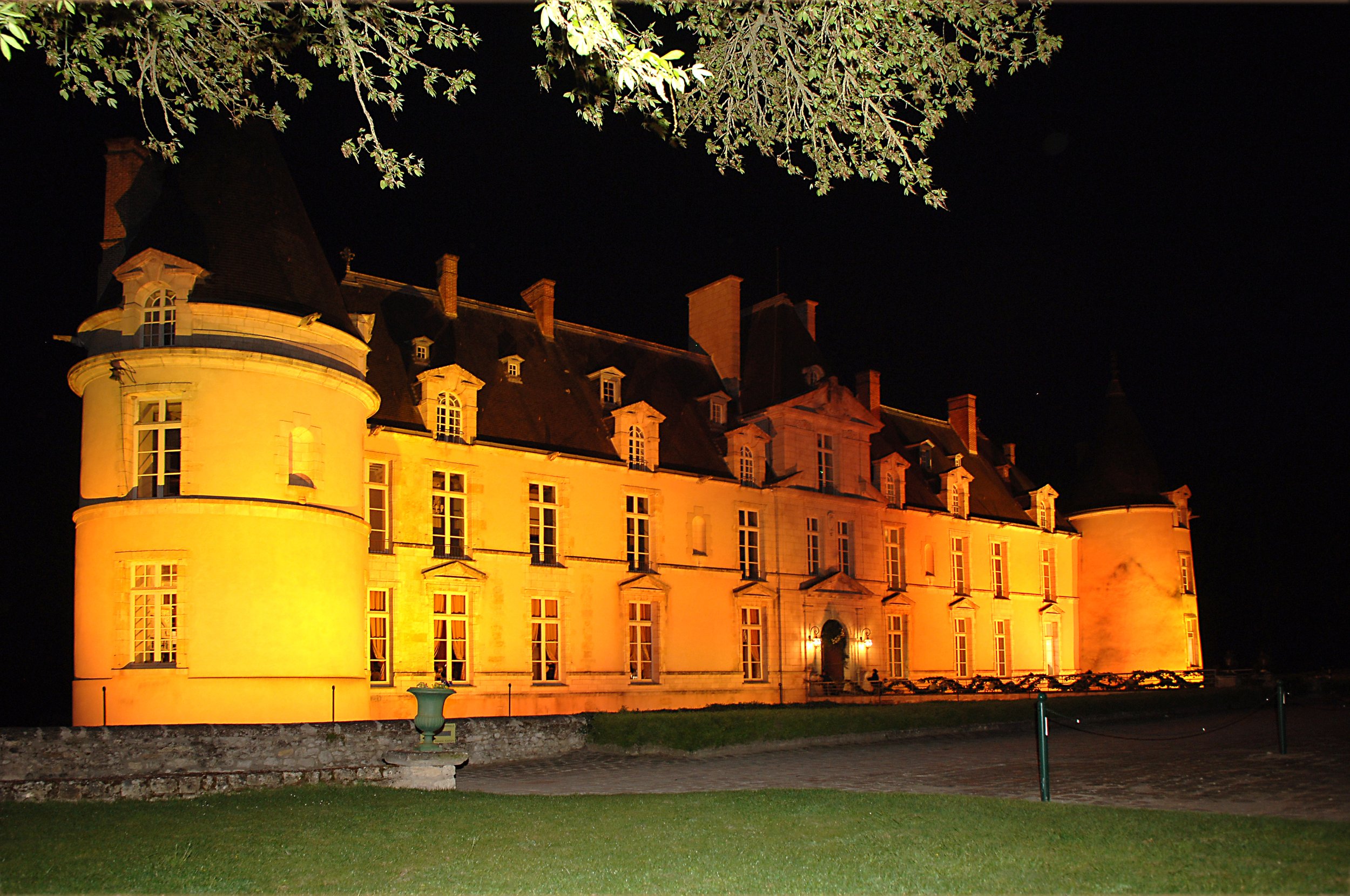
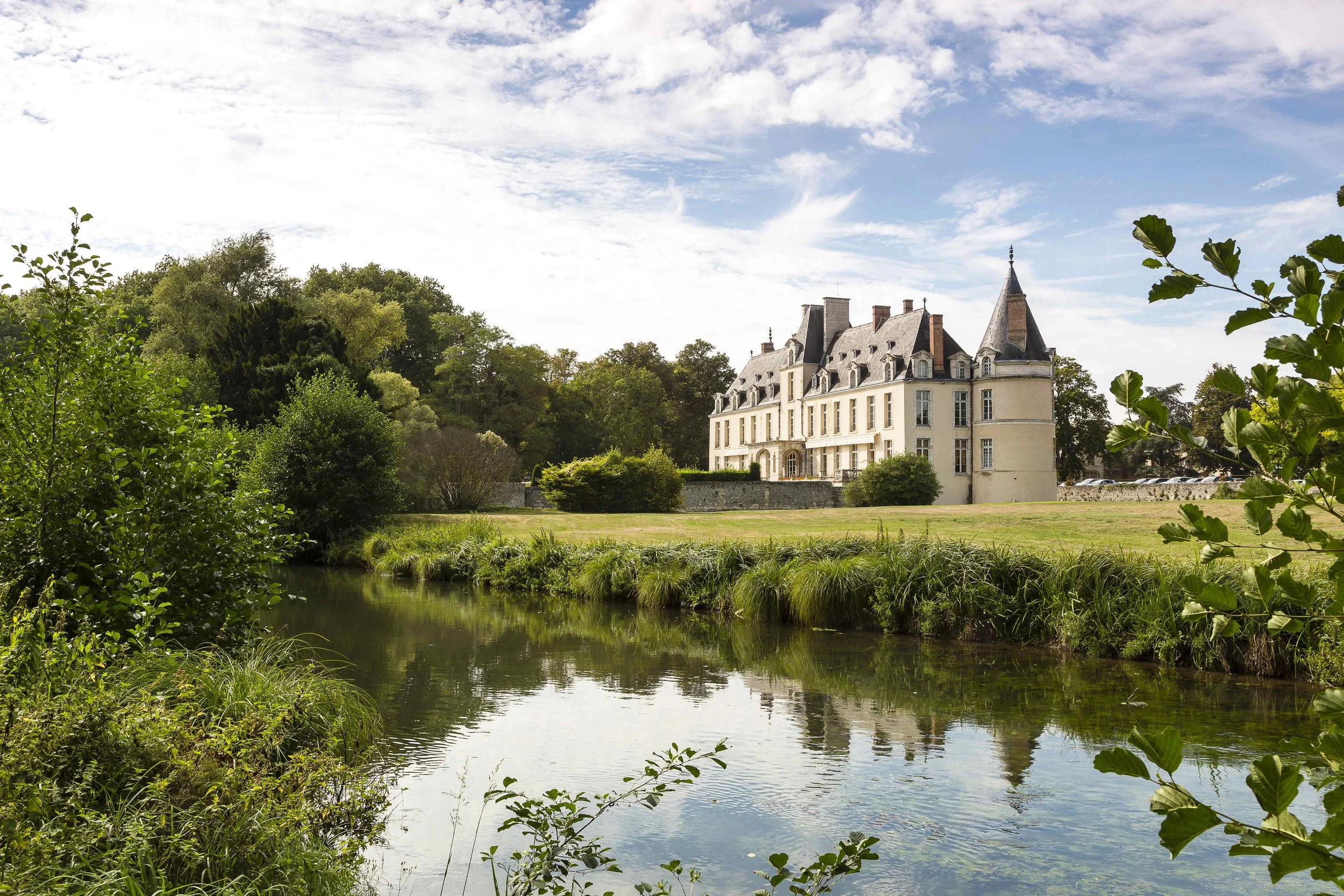
Nestled within a 100-hectare parkland estate in the Loiret, Chateau d Augerville Golf & Spa presents a consummate vision of French art de vivre. Located just one hour south of Paris and a short distance from the historic forests of Fontainebleau, this 5-star resort, officially classified by the French Tourism Development Agency, ATOUT France, operates as a harmonious blend of heritage, sport, and wellness. It is a member of the prestigious Châteaux & Hôtels Collection, offering a secluded, high-end destination for discerning travelers.
Yet, the modern luxury of its championship golf course, its sensorial spa, and its refined accommodations is not a modern invention. It is the latest chapter in a cyclical narrative of ruin and rebirth that spans over 800 years. The estate is a national heritage site that has survived wars, revolutions, and periods of profound neglect, its identity repeatedly restored by a succession of powerful owners, from medieval knights and royal financiers to Gilded Age matriarchs. This report provides an exhaustive analysis of the château's "chequered history" and a detailed description of its contemporary incarnation as a premier luxury resort.
Château d'Augerville is a masterclass in curated heritage. Its 5-star identity is successful precisely because it does not treat its 800-year history as a static backdrop. Instead, it has meticulously woven its complex narrative into every facet of the modern guest experience.
The château's defining historical theme—a cycle of ruin and aristocratic restoration —is mirrored physically in the resort's intelligent adaptive reuse of its historic structures. Guests dine in the 18th-century farmhouse , relax in the old stables , and sleep in the 17th-century carriage houses.
The aristocratic lineage, from its 15th-century savior Jacques Cœur to its 20th-century matron Alva Vanderbilt Belmont , is made tangible. This history is honored in the "Jacques Cœur" restaurant and felt in the "immersive" experience of inhabiting Alva's final, personal home.
The golf course, rather than being a separate entity, is a modern landscape designed to perform for the guest. It uses the estate's ancient trees and river to create a challenge that culminates in a theatrical, reverent view of the château itself.
Ultimately, a stay at Château d'Augerville is an invitation to participate in the estate's latest—and most luxurious—rebirth.
Chateau d Augerville Golf & Spa
The Golf d'Augerville is a centerpiece of the resort and is widely regarded as one of the finest courses in the region.
The 18-hole, Par-72 course was created in 1995 within the château's vast park. It was designed by the celebrated architect Olivier Dongradi. Dongradi's pedigree is well-established, having also designed the acclaimed Les Gets golf course (facing Mont Blanc) and the Golf du Médoc in Bordeaux.
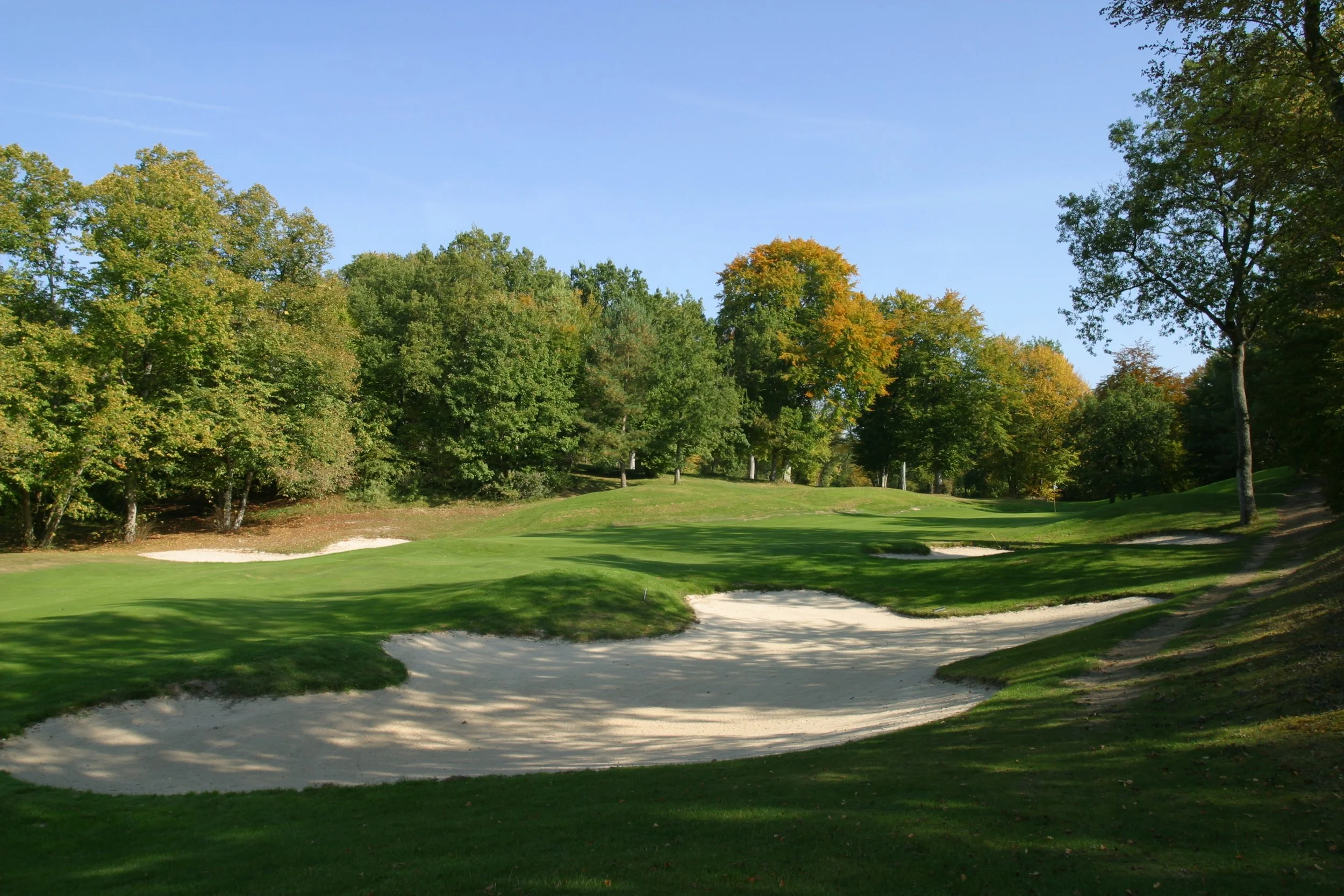
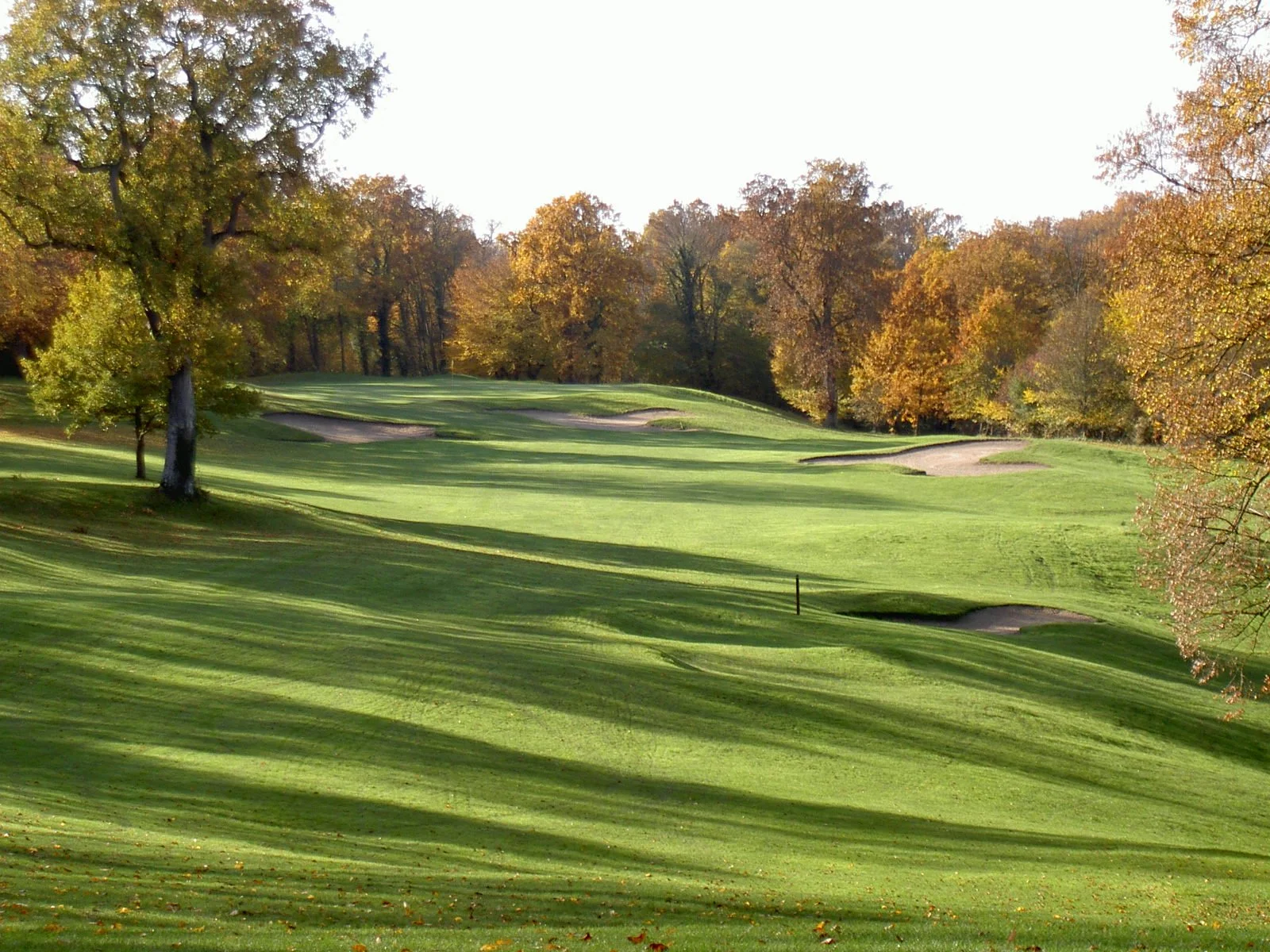
The course is a "Parkland" style , defined by its manicured fairways that "weave their way through beautiful woodland" and "ancient trees". Dongradi's design masterfully utilizes the "varied and subtle terrain" of the estate, incorporating "many elevation changes" that demand strategic play while offering beautiful views.
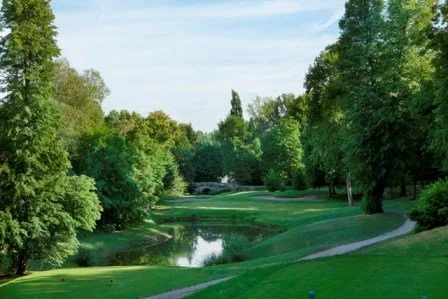
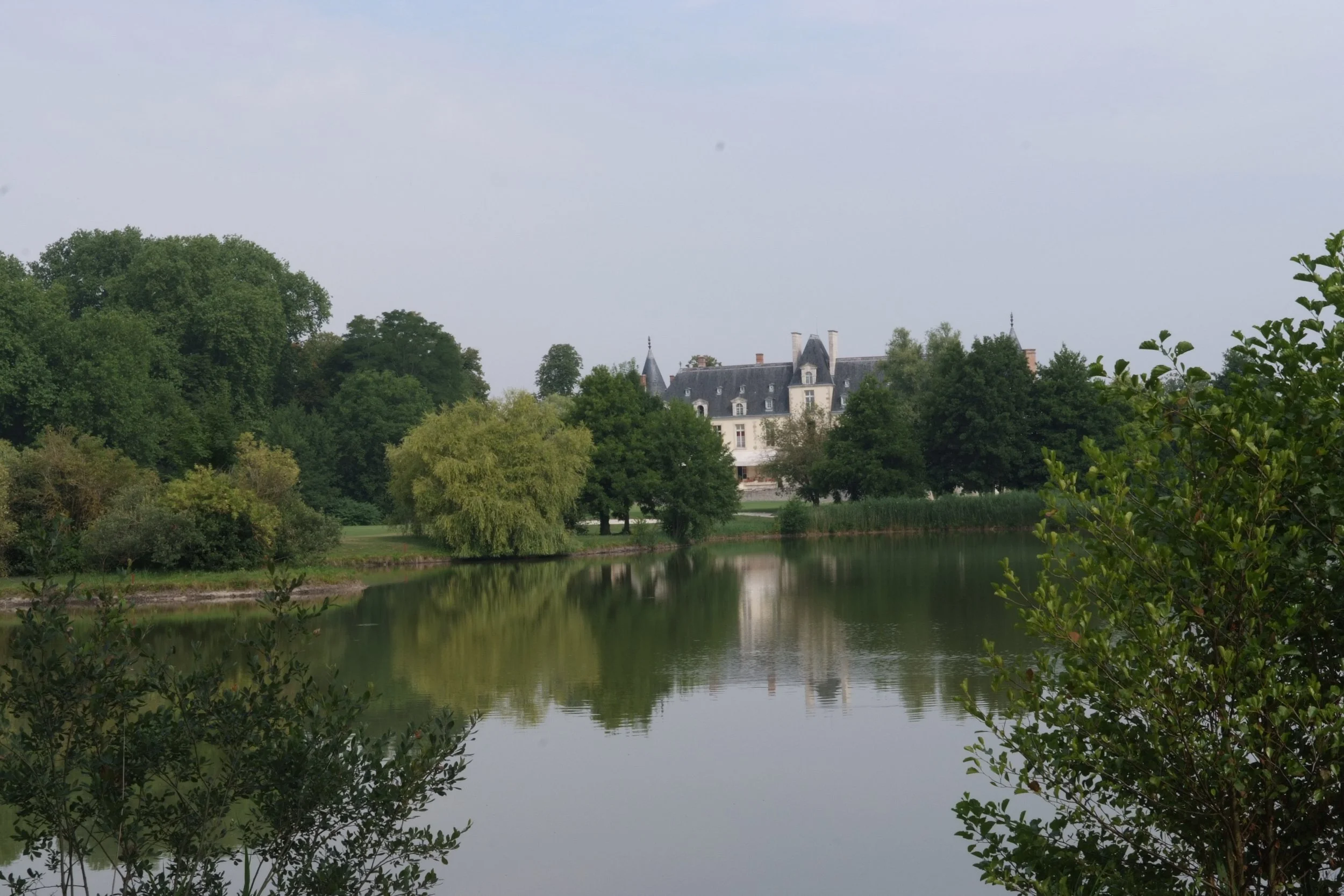
The Essonne River is the course's primary natural defense. It meanders through the estate and comes into play on several holes, along with "picturesque lakes" and "impressive bunkers" that protect its "large greens".
Reputation and Signature Hole
The Golf d'Augerville is consistently decorated, frequently ranked by Golf Magazine and other publications as one of the "top 10 most beautiful courses in France" and, testament to its design, also one of the "10 most challenging".
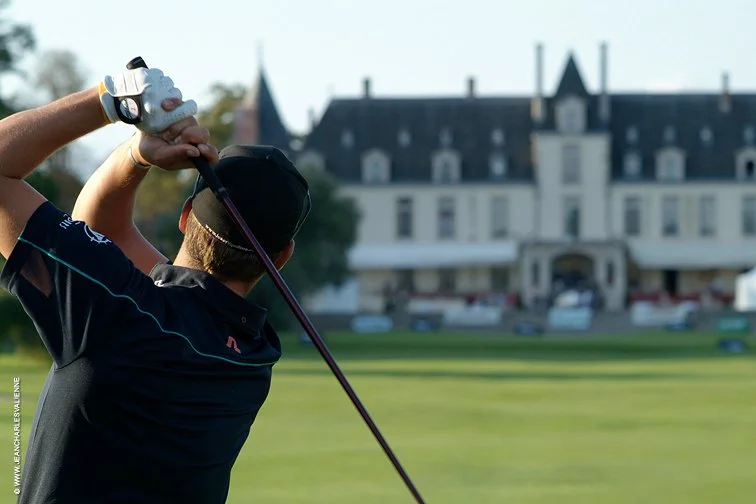
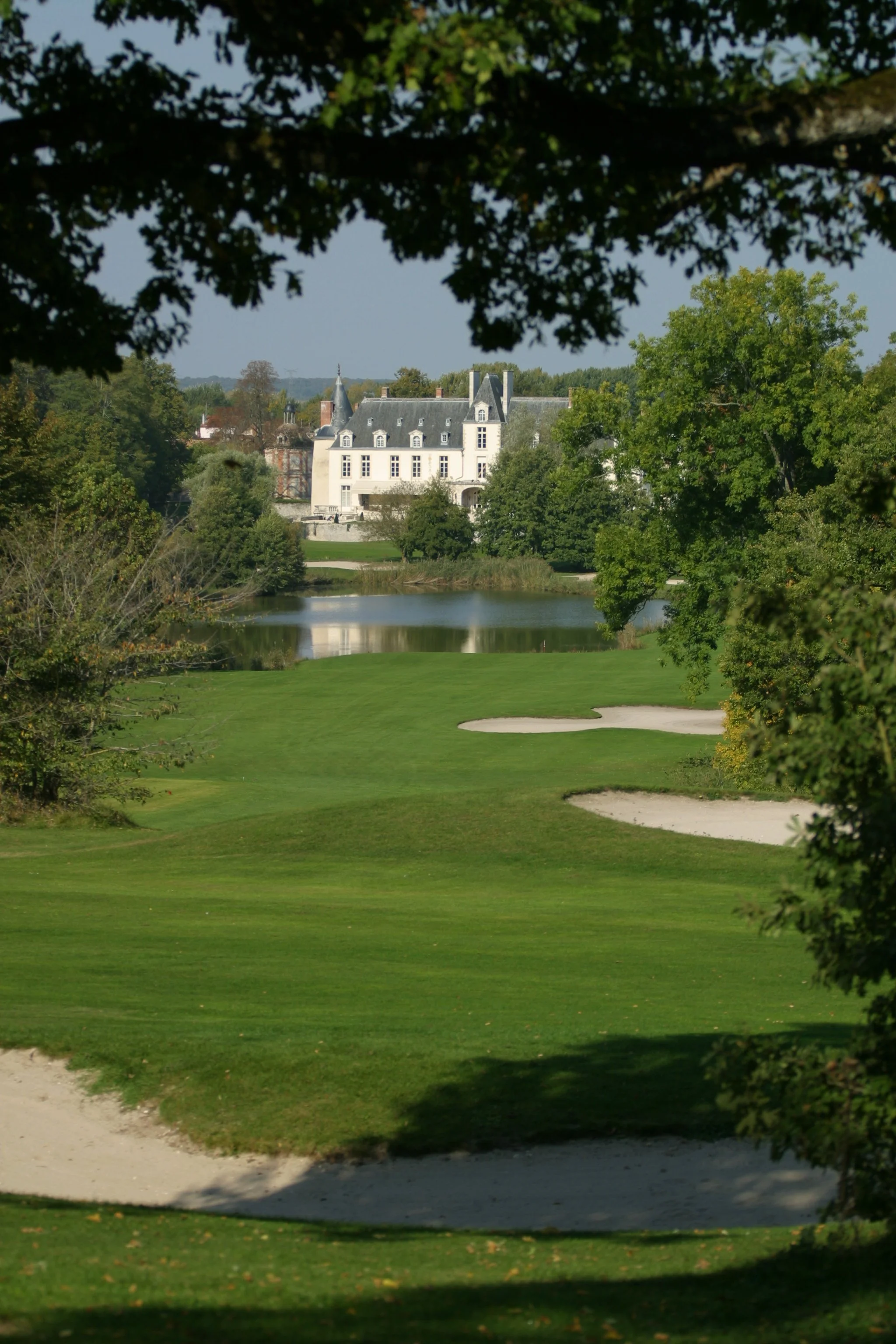
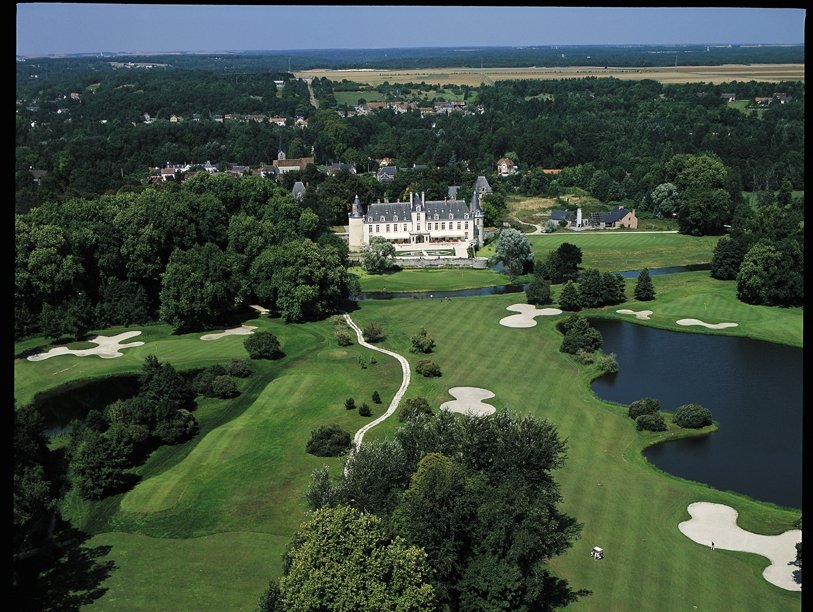
While the course features 18 distinct challenges, its design is pure theater, culminating in a "dramatic finishing hole". The 18th hole requires a final negotiation with the Essonne River , with the green set directly in front of the "magnificent Chateau". This deliberate use of the 800-year-old historical asset as the backdrop for the game's climax provides the "truly magnificent view" that defines the Augerville golf experience and serves as the course's undeniable signature.
The resort maintains a comprehensive practice area to support the championship course, including a driving range (with 32 stations), pitching green, and putting green.
-
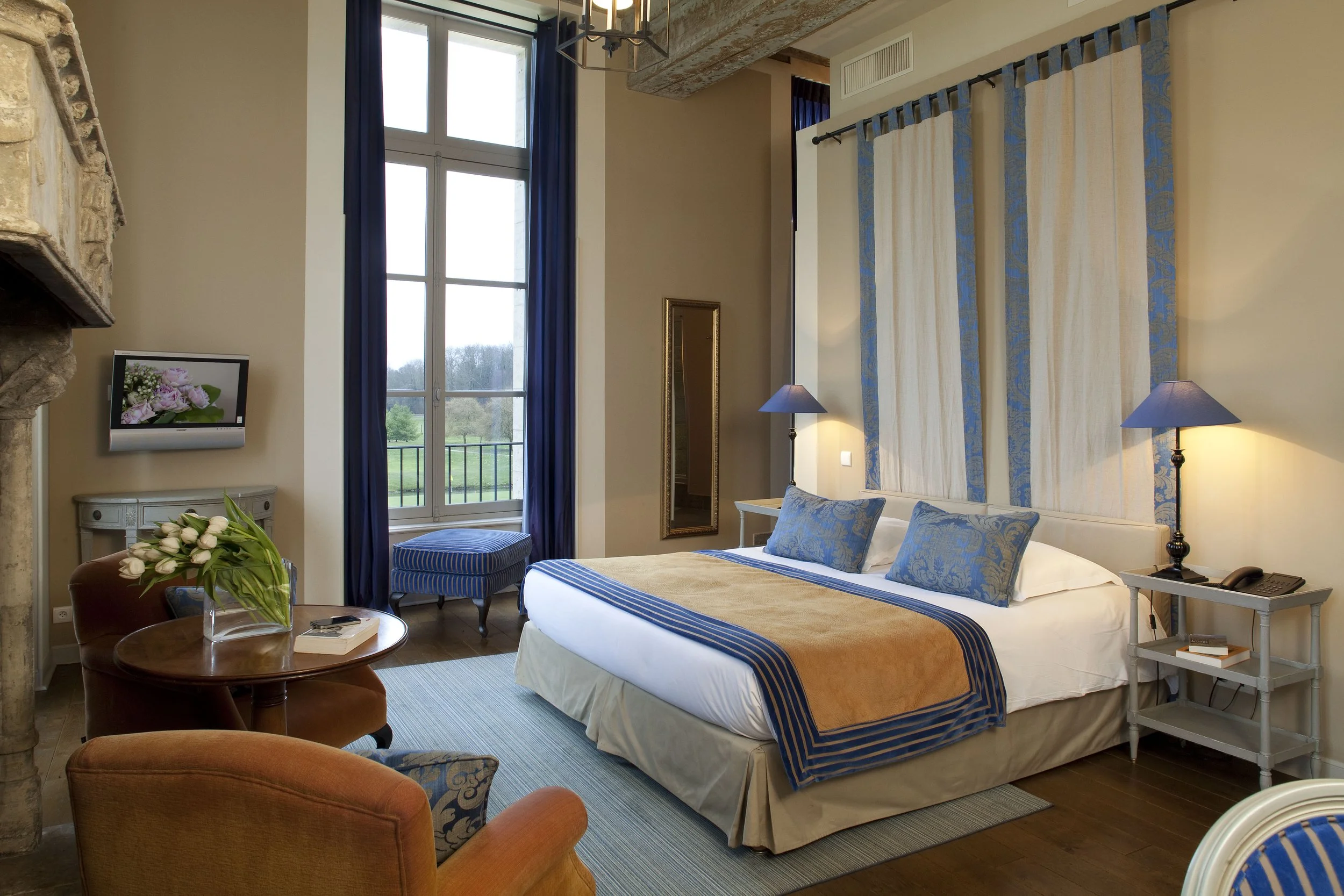
Bedroom
-
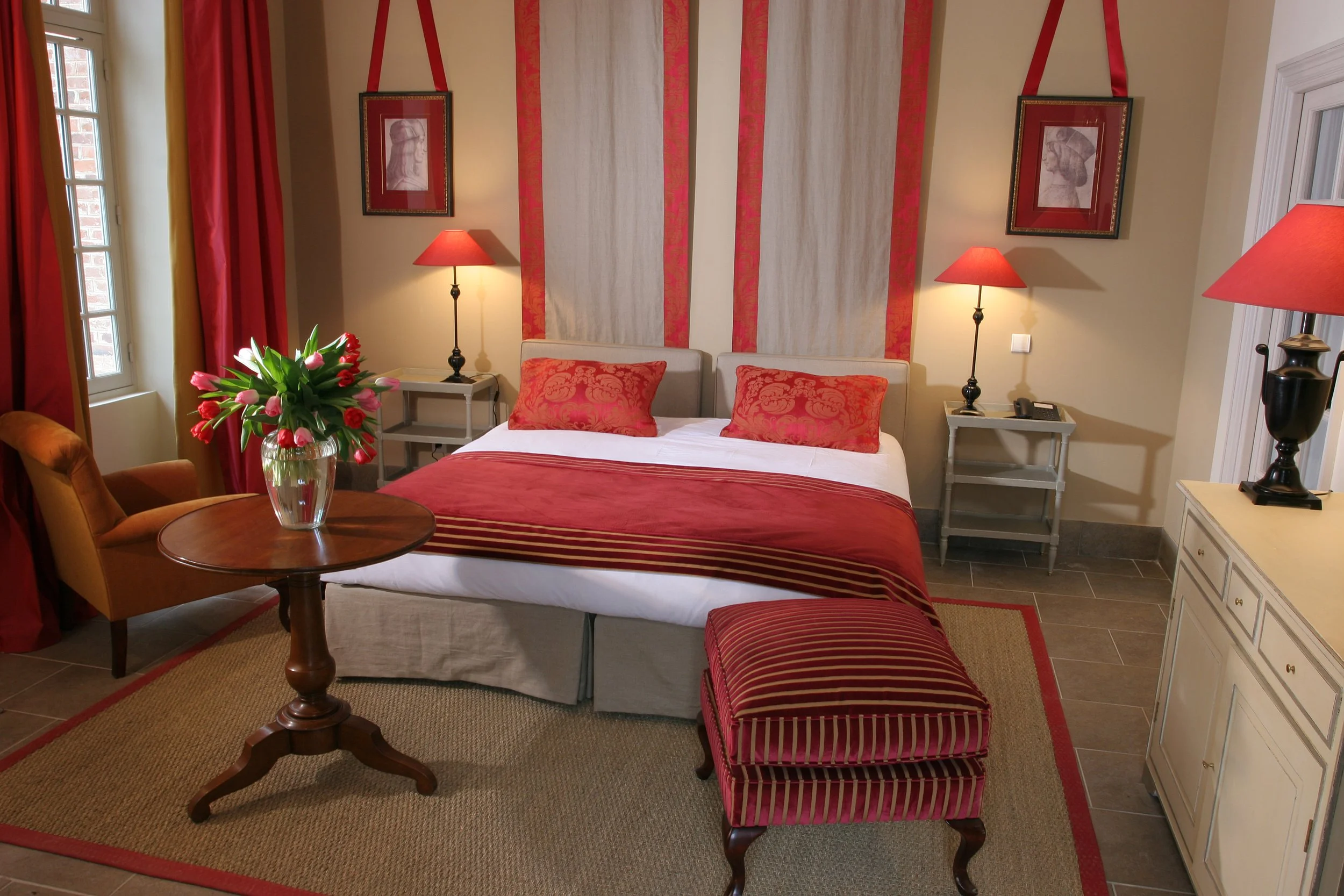
Bedroom
-
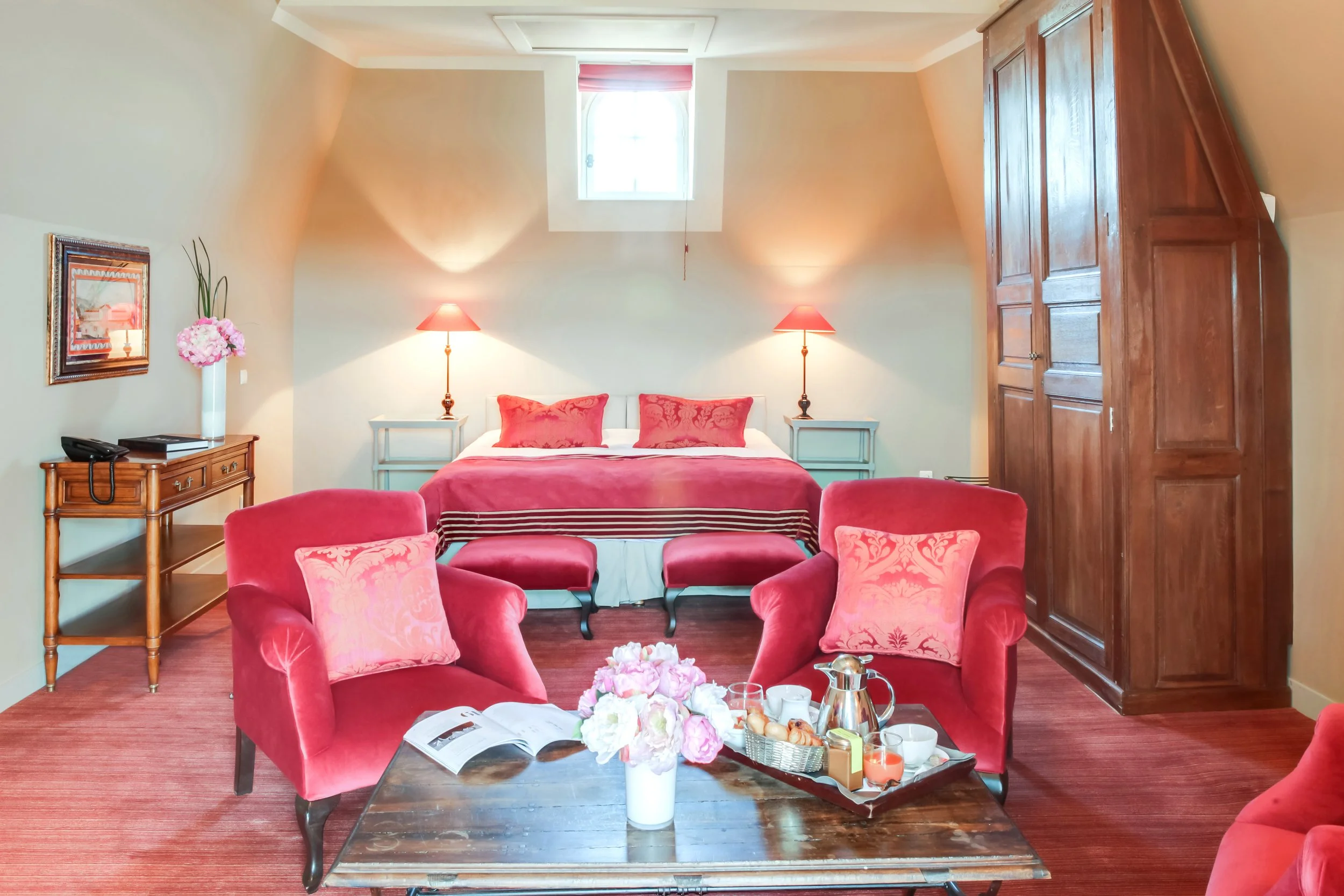
Suite Châteaubriand
The Modern Demesne: The Château d'Augerville Hotel & Resort
Today, Château d'Augerville has been transformed into a 5-star hotel and resort, leveraging its natural setting and its rich architectural history to create an integrated luxury experience.
The resort is set within a sprawling 100-acre (or 100-hectare) private park. Its location is a primary asset, offering a tranquil "country escape" that is conveniently just one hour south of Paris and 24 km from Fontainebleau. The estate's ambiance is defined by its protected natural environment. It is situated directly adjacent to the Gâtinais Français Natural Regional Park , surrounding the property with lush greenery, ancient trees, and abundant wildlife.
The hotel comprises 40 well-appointed rooms, specified as 38 rooms and 2 suites. A key element of the resort's "authentic French charm" is its use of adaptive reuse. Accommodations are "distributed in the castle and her historical carriage houses". These "historical outbuildings" date to the 17th-century remodeling and are now fully integrated into the luxury guest experience.
The interior design, led by Patrick Ribes, is both high-end and refined. Rather than a uniform corporate style, each room and suite possesses its "own ambiance and decoration" , emphasizing "simple elegance". Rooms are designed to connect with the landscape, offering spectacular views of the gardens, the central courtyard, or the golf course.