THe Excellent Kilmarnock (Barassie Links) Golf Club
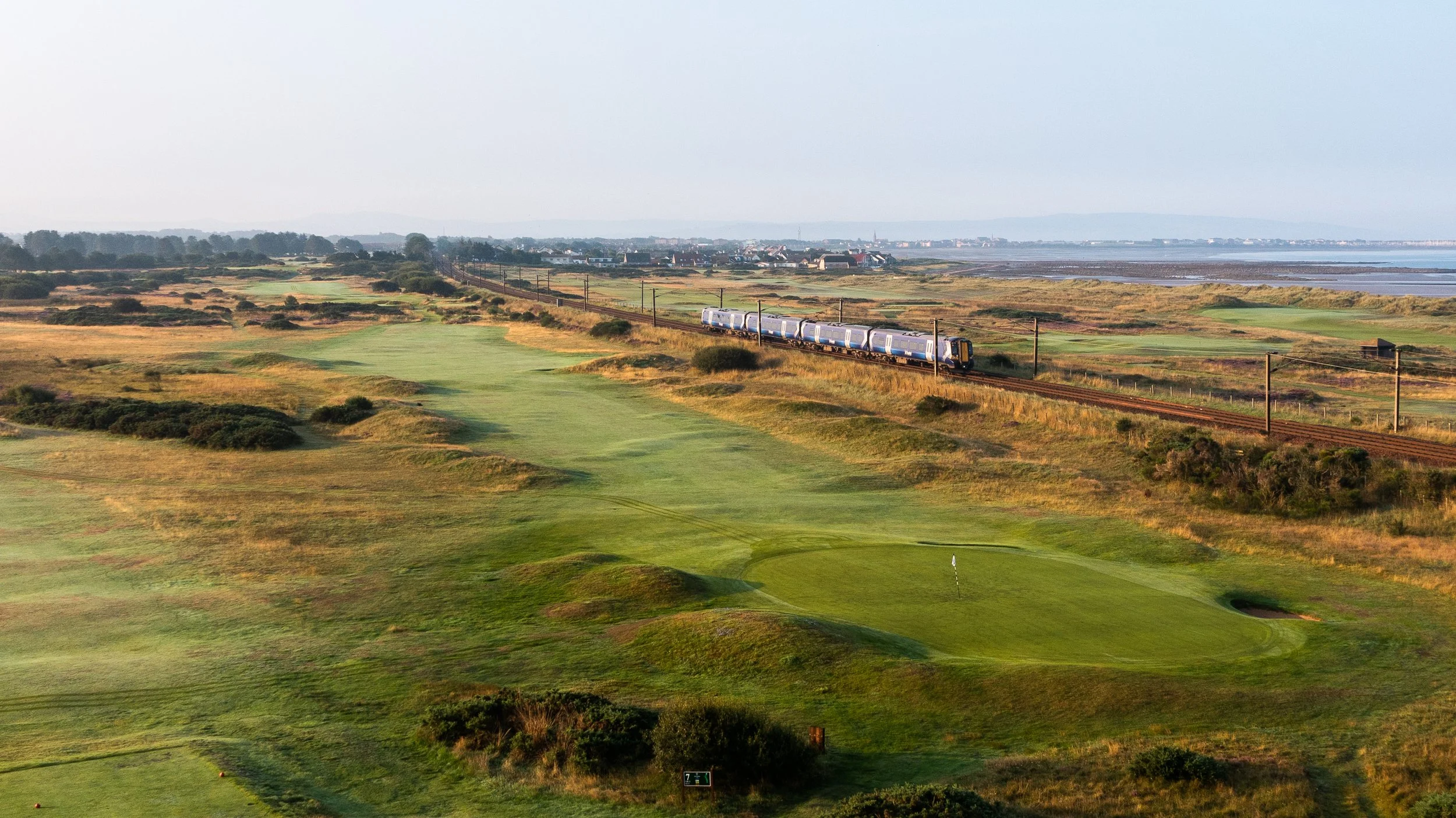
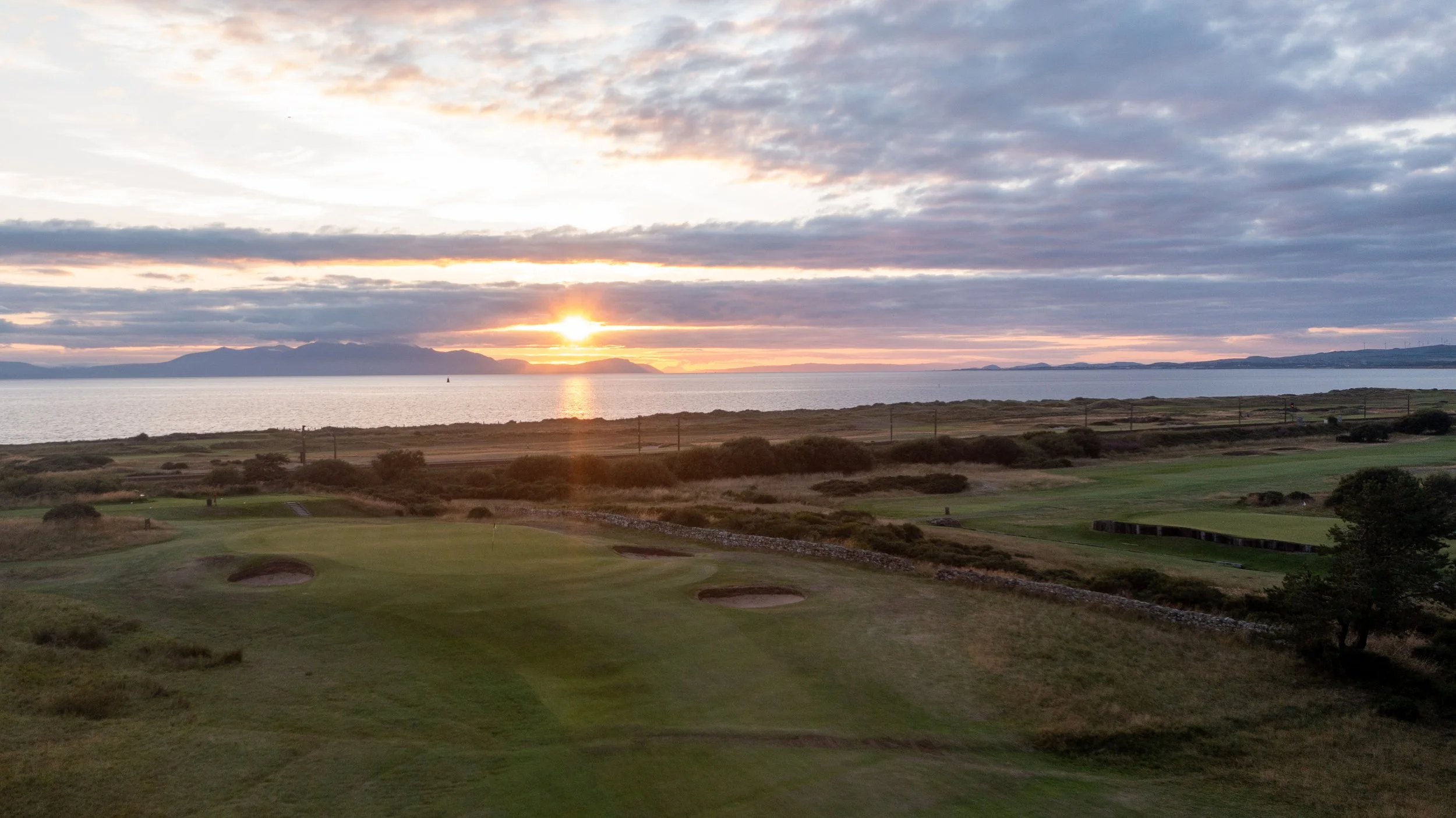
The coastal landscape of Ayrshire, Scotland, serves as a primary repository for the history and evolution of links golf. Within this corridor of hallowed turf, situated between the global landmarks of Royal Troon and Western Gailes, lies Kilmarnock (Barassie) Golf Club—a facility that exemplifies the transition of Scottish golf from nineteenth-century pastime to twenty-first-century championship utility. Known internationally as Barassie Links, the club presents a 27-hole complex that integrates the original strategic principles of the late Victorian era with the modern design requirements of the contemporary power game. This report examines the geological foundations, architectural history, and championship significance of Barassie Links, providing a comprehensive resource for golf course historians, architects, and professional enthusiasts
The round begins with "Kilmarnock," a 501-yard par 5 that offers a relatively forgiving start, allowing players to find their rhythm before the layout's complexity increases. However, the presence of the "burn"—a narrow stream—on several early holes, including the 2nd and 13th, introduces immediate penalty for lack of distance control off the tee.
The 8th hole, "Dundonald," represents one of the most significant strategic hurdles on the course. As a 539-yard par 5 with a double dogleg—often described as a "serpentine design"—it requires three precise shots to reach a well-guarded green. Attempting to reach the green in two is notoriously difficult due to the narrow landing areas and the prevailing wind.
The 12th hole, a recent architectural refinement, is a par 3 of 139 yards that features what is arguably the most undulating green on the property. Despite its short yardage, the green’s slope makes it exceptionally difficult to hold, particularly when the firm, fast conditions of the fescue turf are at their peak.
The closing hole, "Fullarton," is a 370-yard par 4 that requires a blind tee shot. The strategic play advised by local professionals is to lay up short of the visual horizon, leaving a longer approach into a three-tiered green that punishes complacency. The tiered nature of the 18th green is a hallmark of the Theodore Moone reconstruction, demanding that the player finish the round with precise distance control.
The Clubhouse and Visitor Experience
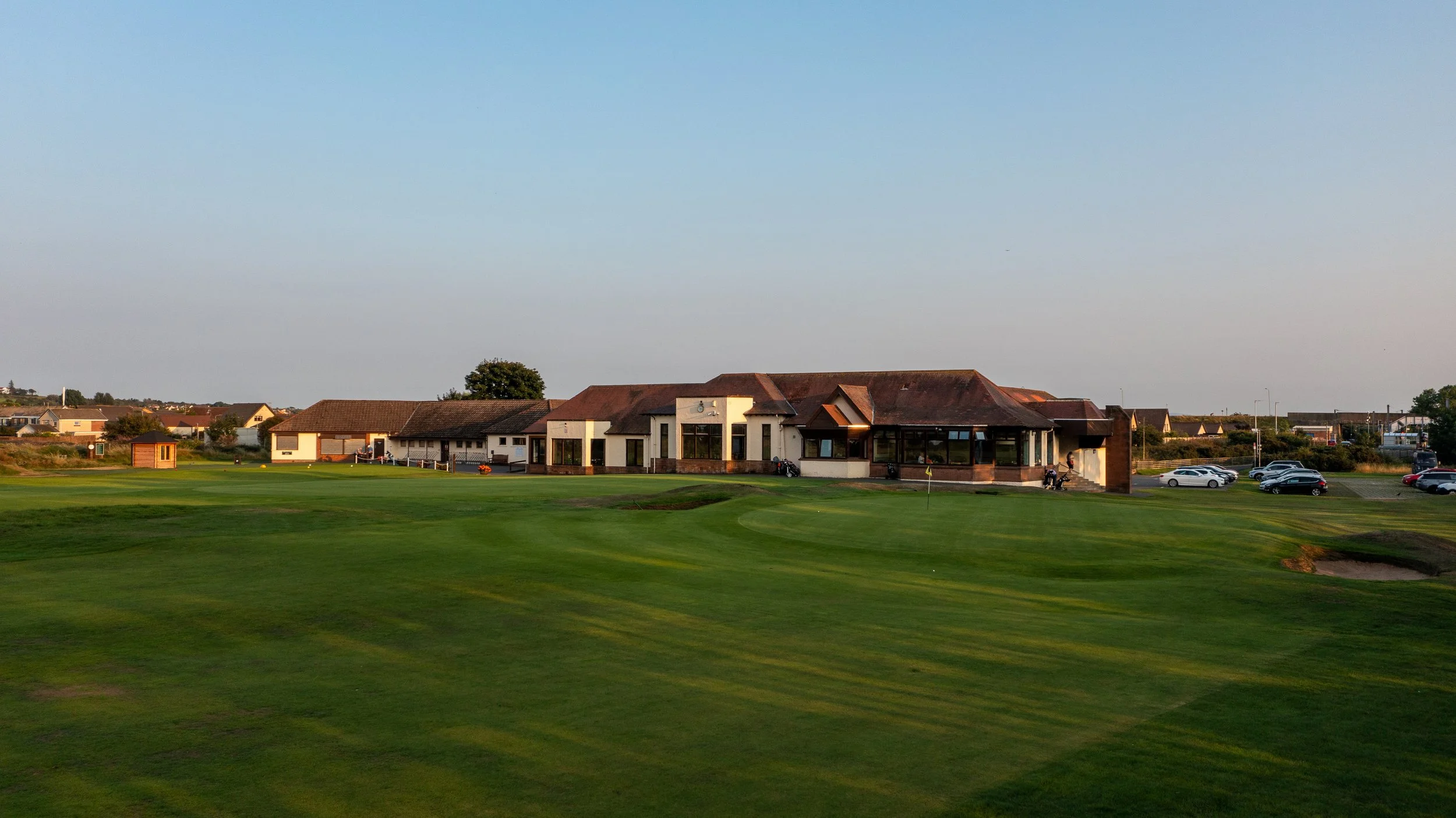
The social heart of Kilmarnock (Barassie) is its clubhouse, which blends traditional golf heritage with contemporary hospitality. The facility is designed to offer a "warm welcome" to both local members and international visitors. The interior serves as a gallery of the club's history, featuring Captains and Champions Boards, pictorial histories curated by past captains, and memorabilia from the club's Walker Cup members.
Hospitality and Dining
Catering services at the club are extensive, ranging from traditional high teas and luncheons to formal evening meals in the Portland Room. The smart casual dress code reflects the club's traditional values; while regular golf attire is permitted during the day, jackets and dress pants are required in the dining areas after 6:30 pm. This adherence to tradition is balanced by a modern approach to visitor services, including a well-stocked professional shop and comprehensive practice facilities.
Practice and Instruction Infrastructure
For players looking to refine their game before taking on the links, the club provides an integrated practice environment:
Pitching Greens: Two dedicated greens with bunkers for short-game practice.
Putting Green: A large, meticulously maintained green located at the front of the clubhouse.
Practice Nets: Two nets available for warming up adjacent to the first tee.
Driving Range: A dedicated area for long-game practice.
Professional Services: Instruction is available from PGA-certified coach Gregor Howie and his team.