

Portugal and the Algarve
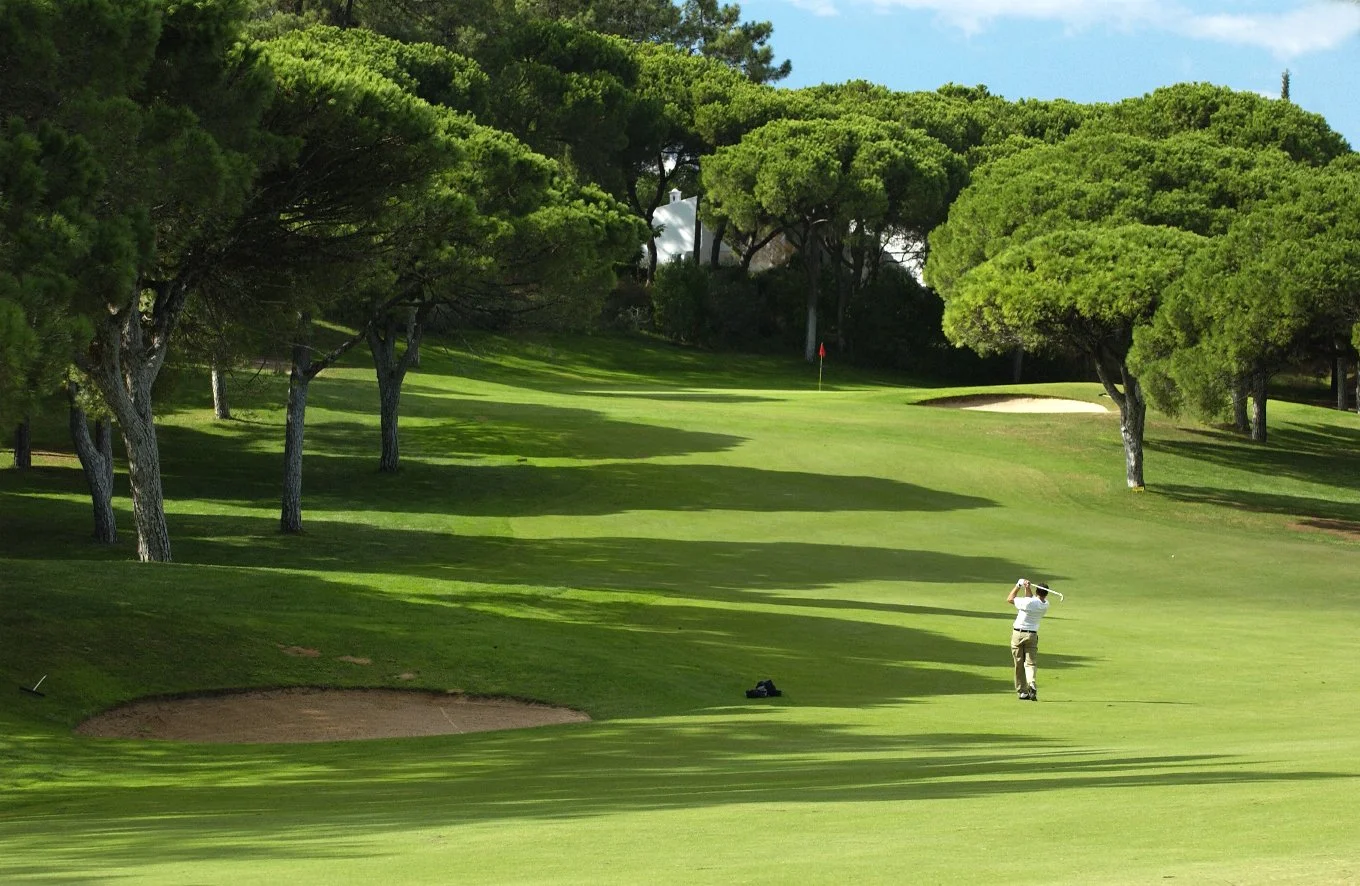
The Algarve, Portugal’s southern coastal region, has solidified its position not merely as a leading European golf destination but as a consistently recognized global authority in golf tourism. Its distinction as one of the best golfing destinations in the world, as repeatedly confirmed by dedicated sports magazines and international associations of specialist tour operators, is not accidental; it is the result of an unrelenting commitment to maintaining premium quality across all operational metrics. The region offers an unparalleled synthesis of logistical convenience, architectural pedigree, and climatic reliability that assures a high-value experience for the discerning traveler.
The bedrock of the Algarve’s sustained market resilience lies in its superb environmental conditions. The mild Atlantic climate is a crucial competitive advantage, guaranteeing over 300 days of sunshine annually, which translates directly into reliable year-round playability. This meteorological stability minimizes disruptions to course maintenance and travel itineraries, allowing operators to guarantee immaculate turf quality, particularly during the highly desirable spring and autumn peak seasons. This assurance of optimal playing conditions sustains the premium pricing structure and justifies the continuous high investment in infrastructure across the region.
Logistically, the Algarve offers a uniquely frictionless travel experience that appeals directly to the affluent market where time is a valued commodity. Accessibility is managed primarily through Faro Airport (FAO), which provides direct air links to numerous international destinations and remarkably quick transfers to major resorts. Due to the high density of nearly four dozen courses spread along the 100-mile coastline, a golfer can often arrive and be on the first tee as quickly as 15 minutes later. This compactness means an ambitious golfer could easily play a different course every day for three weeks within a one-hour radius of the airport, maximizing time spent playing and minimizing transit fatigue—a strategic logistical efficiency that underpins the region’s dominance.
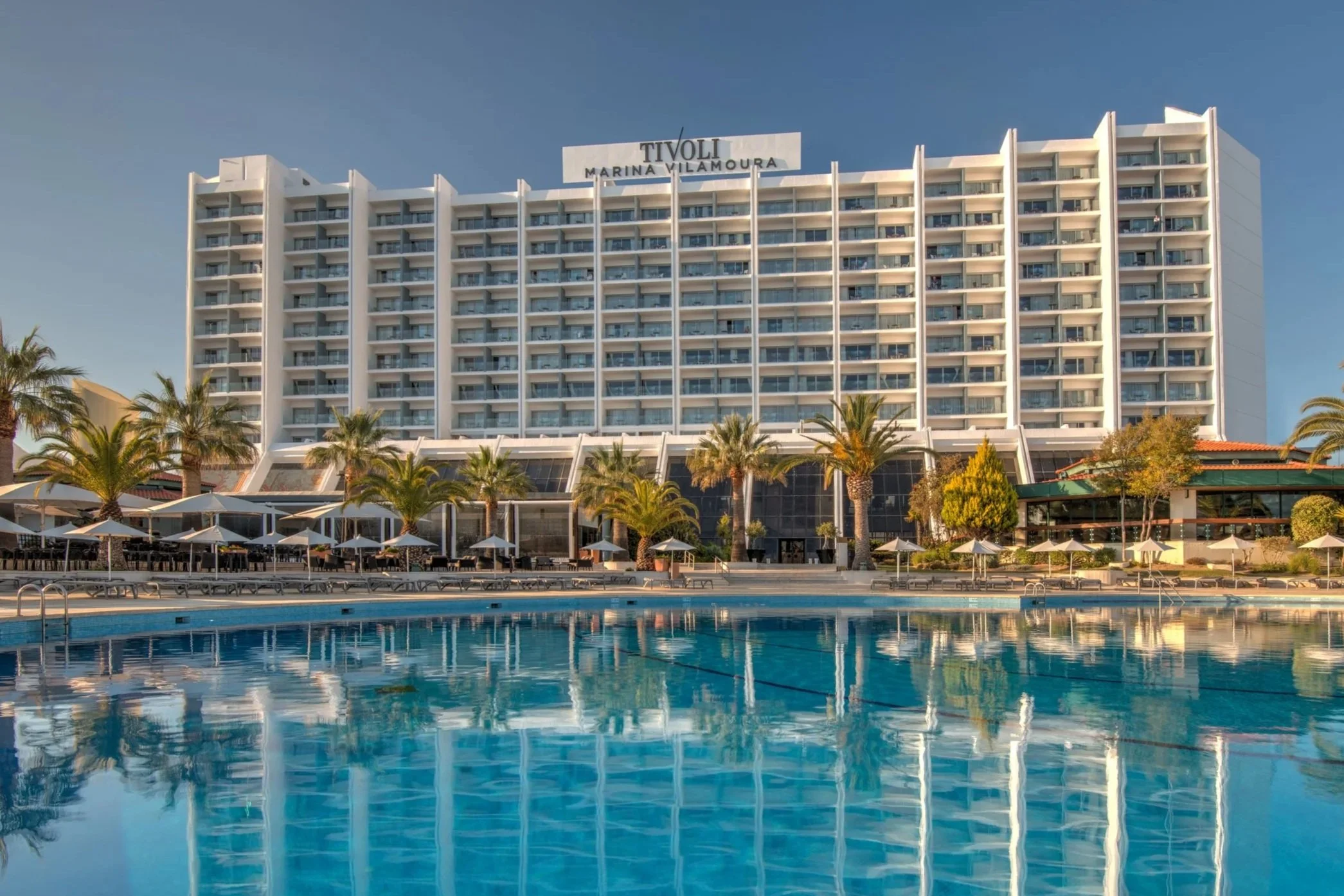
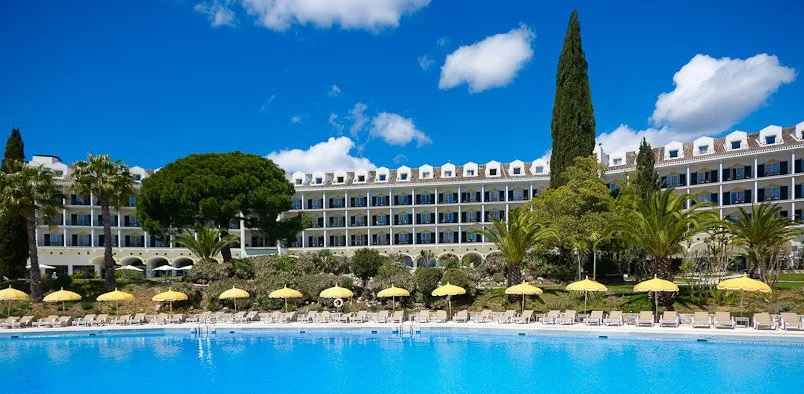
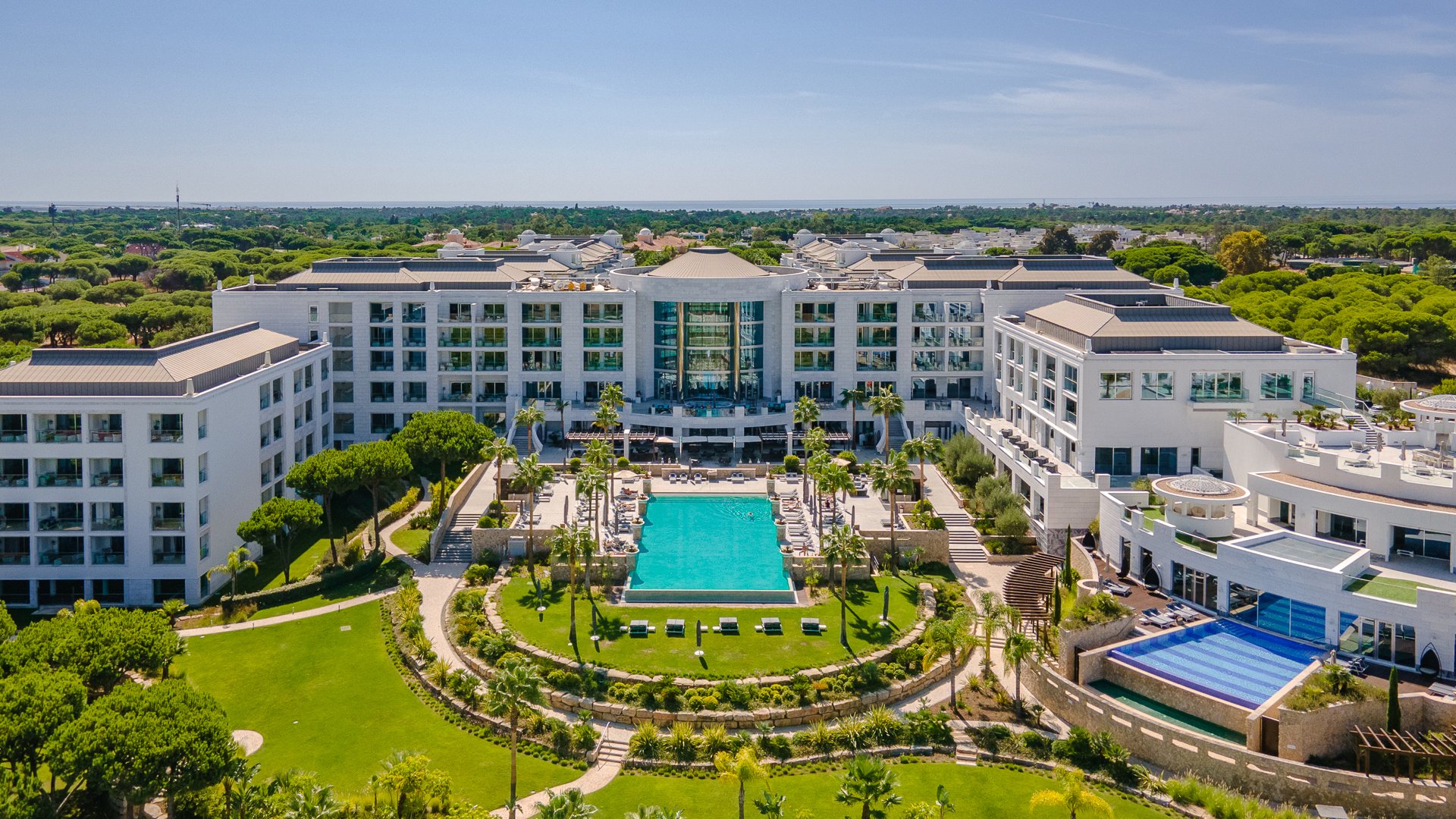
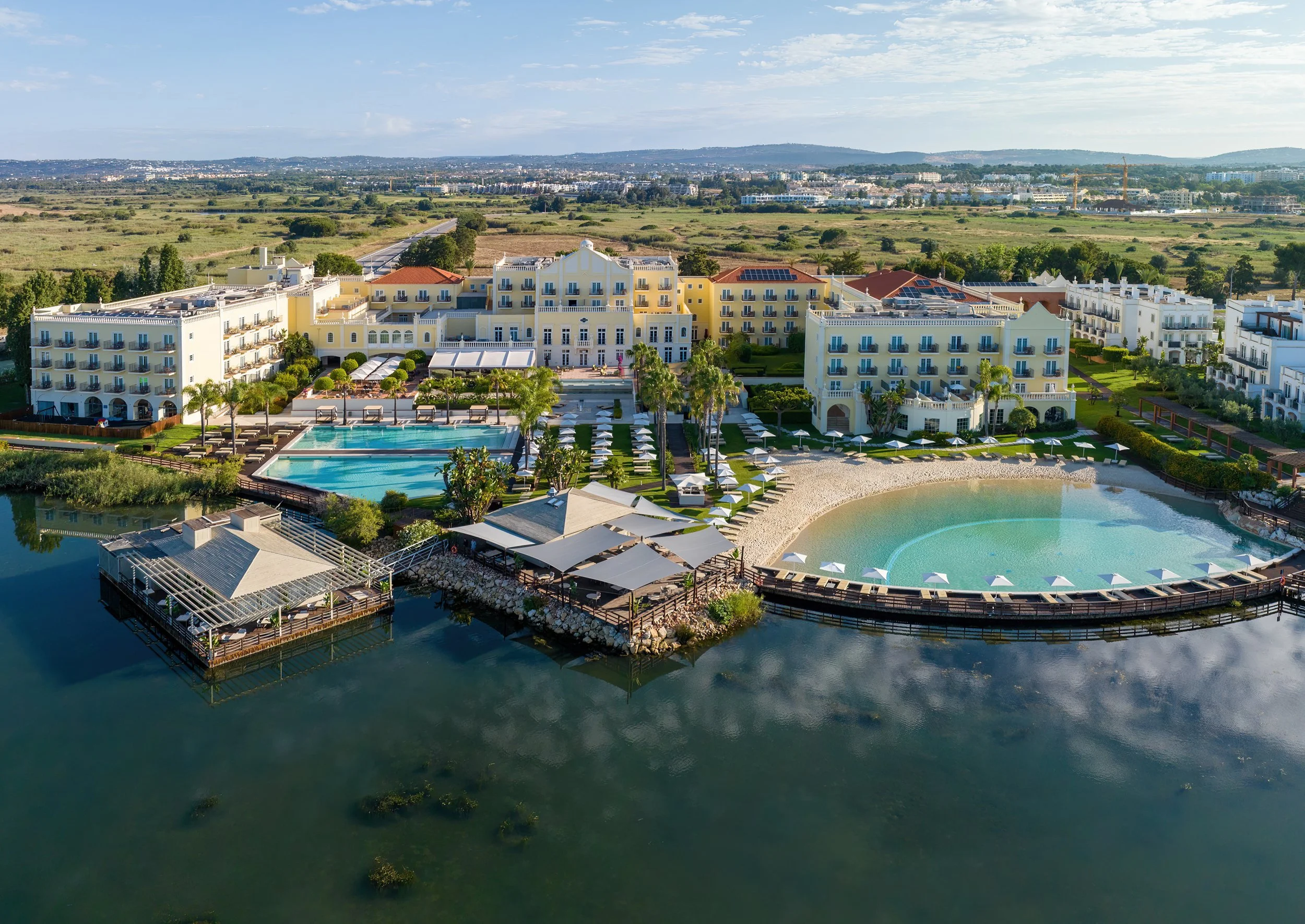
Luxury hotel Collection
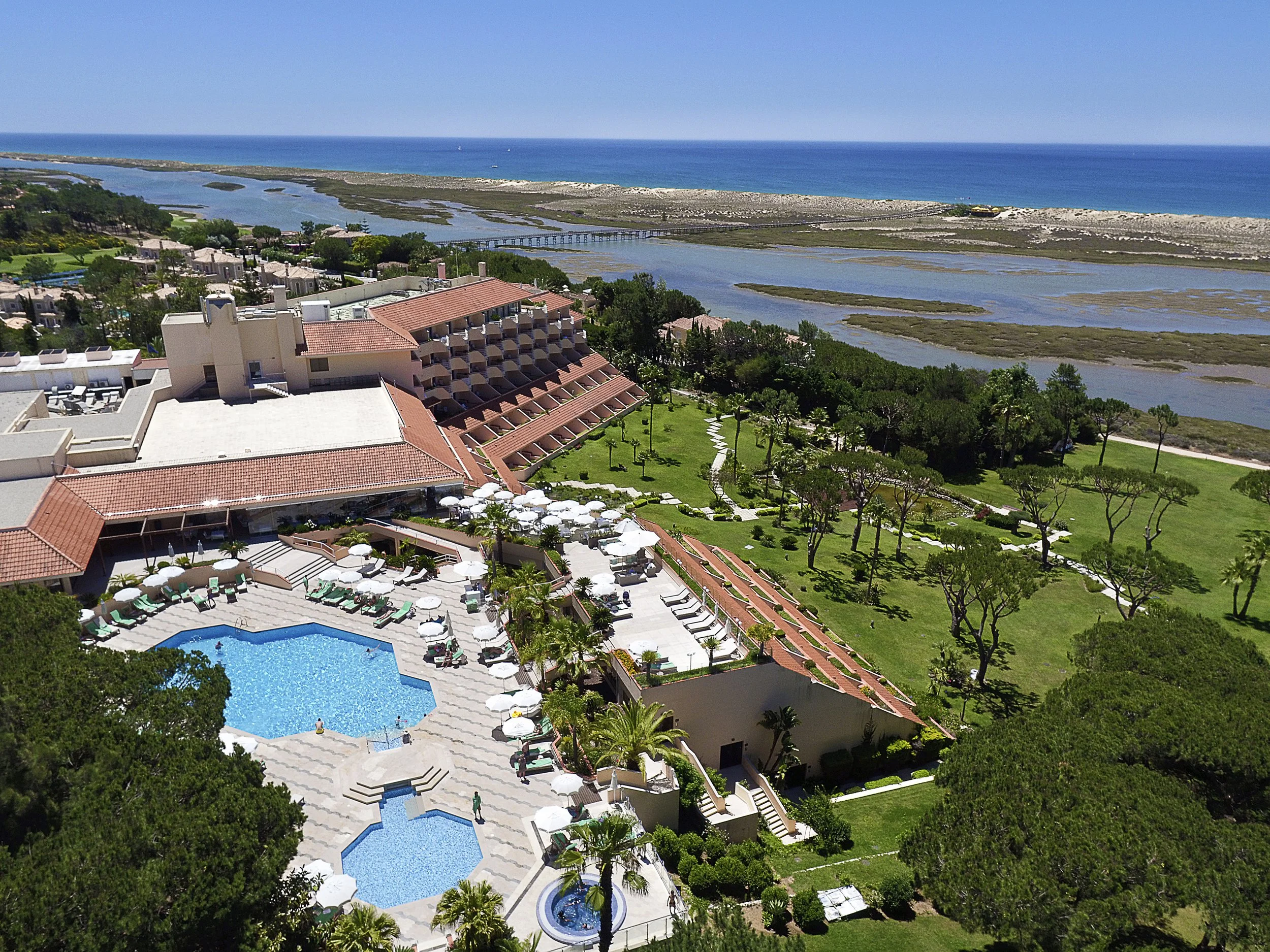
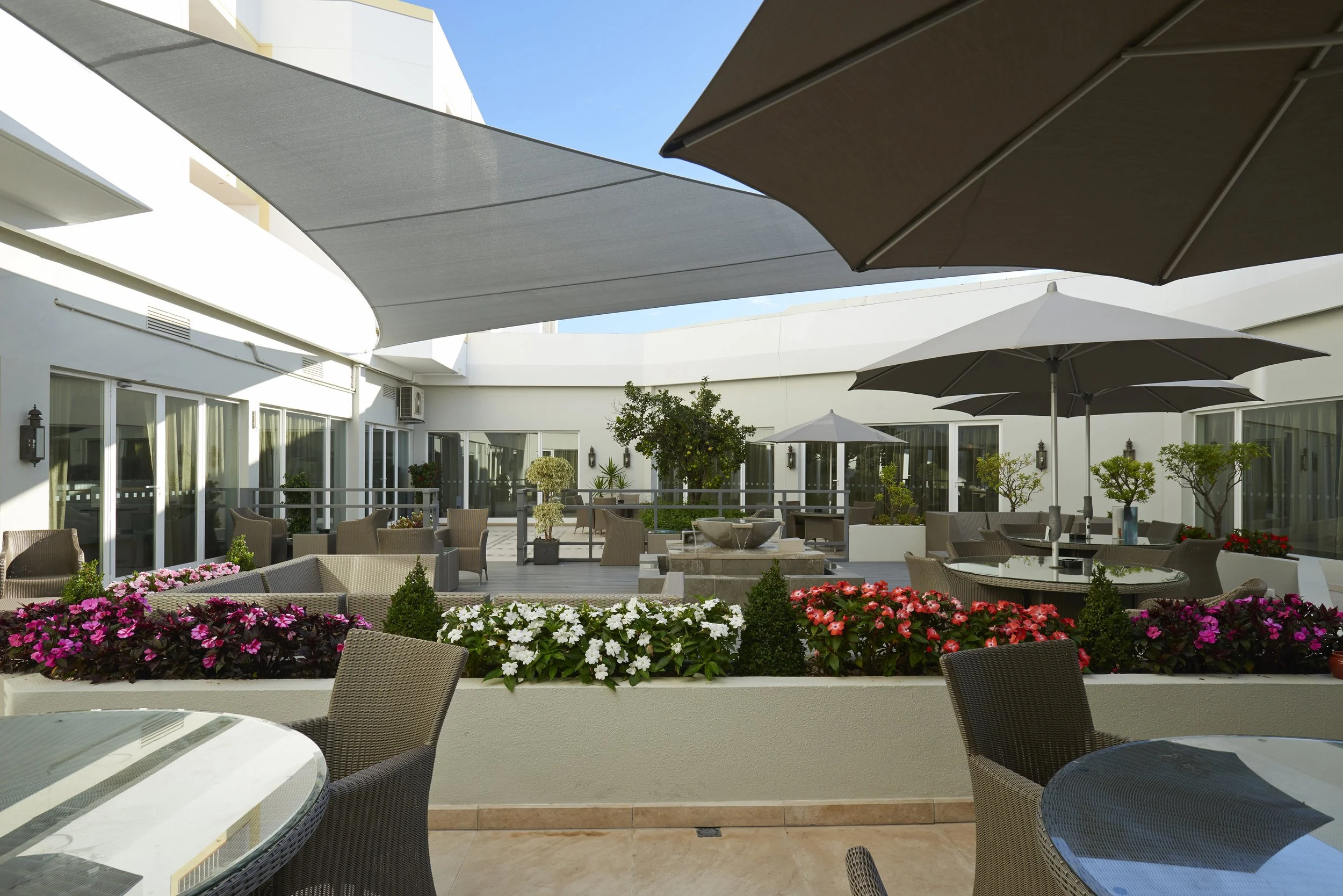
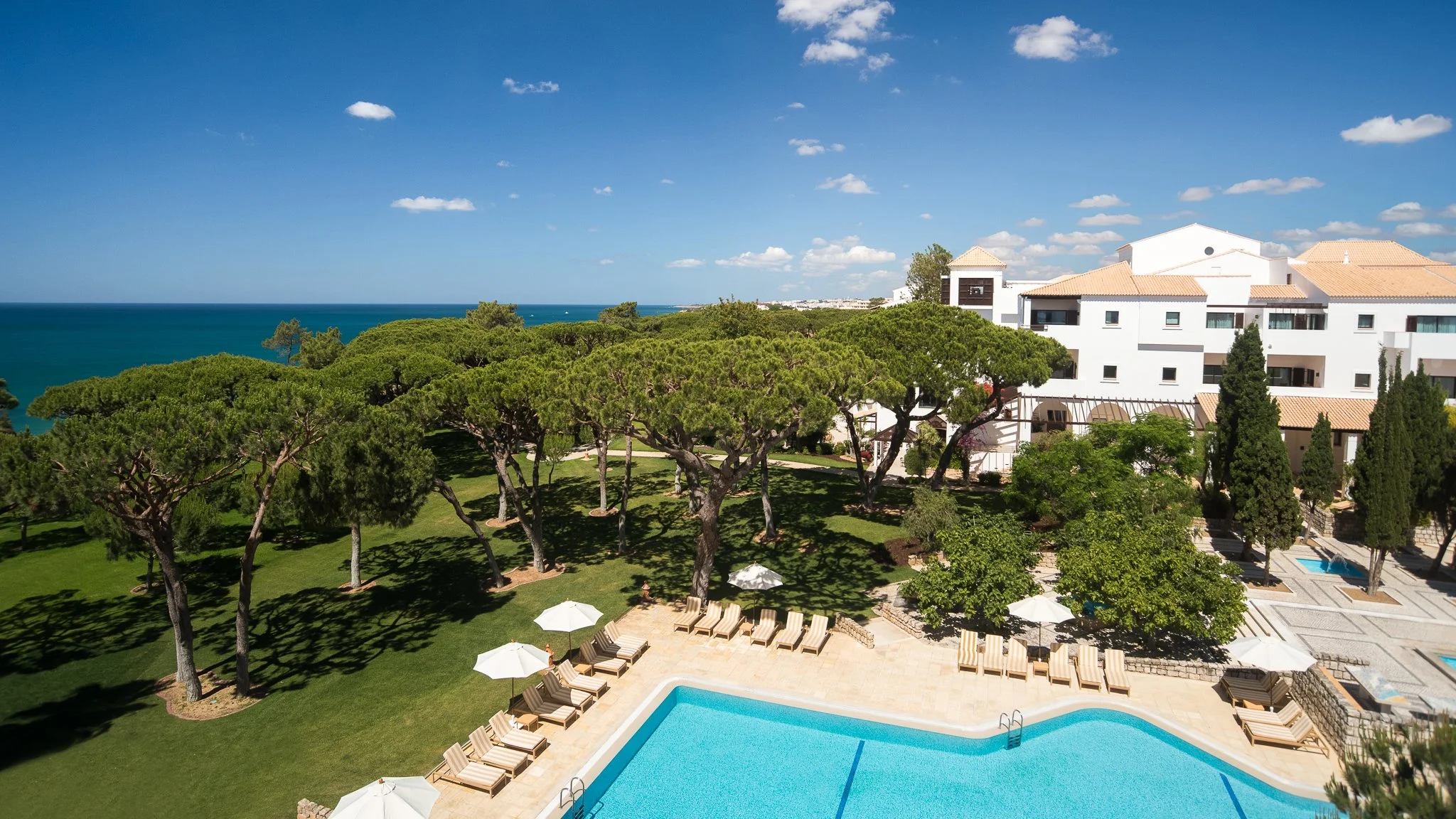
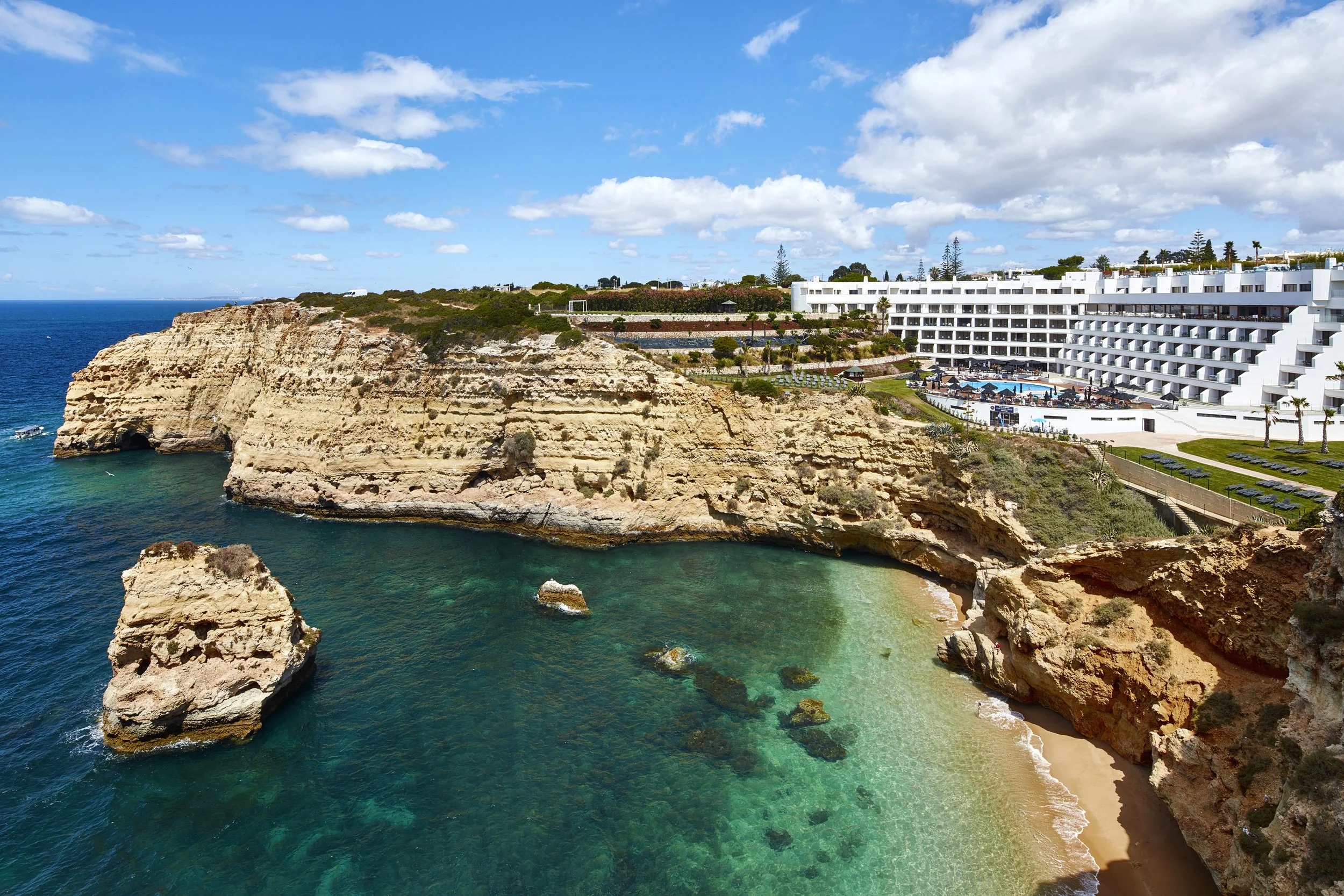
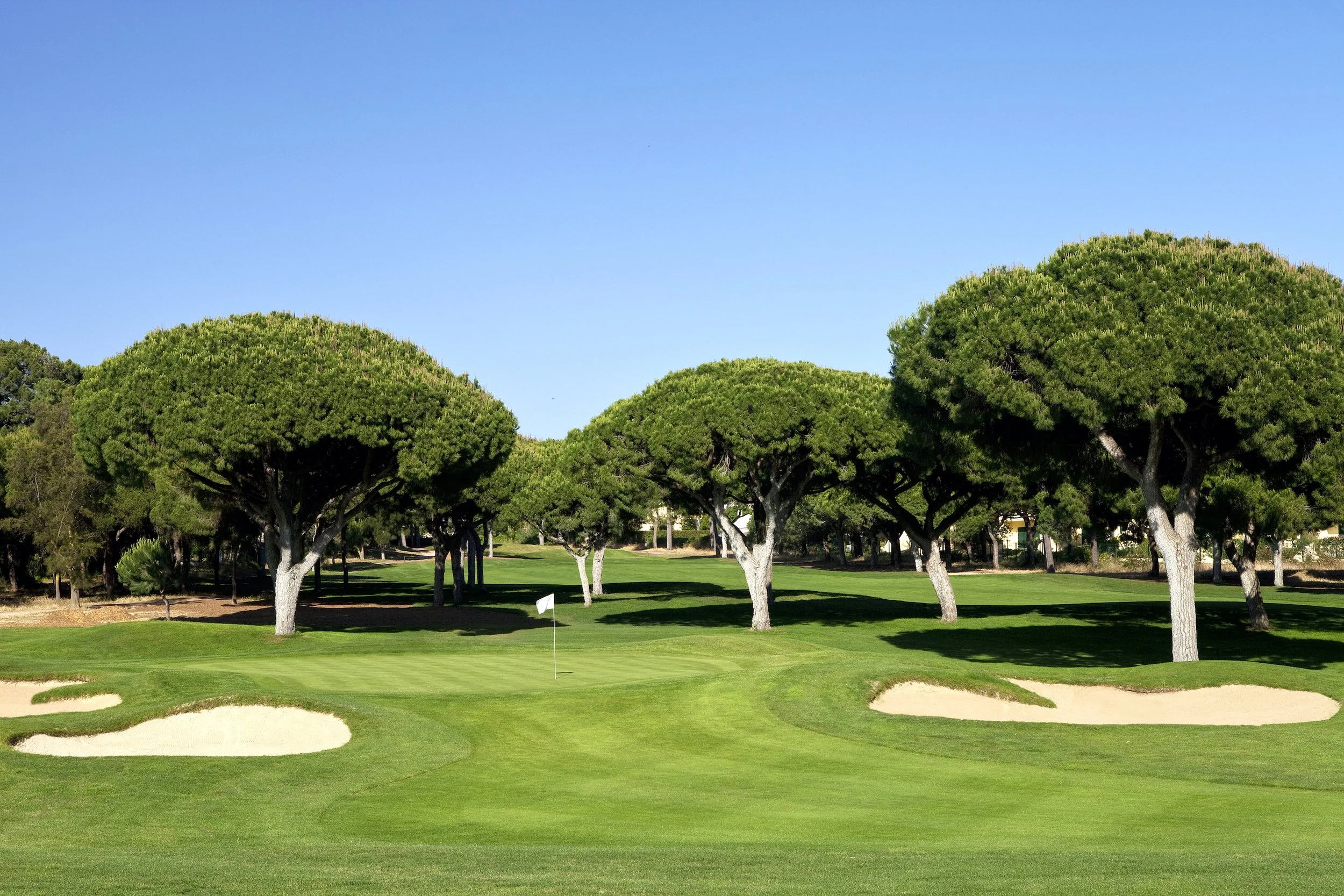
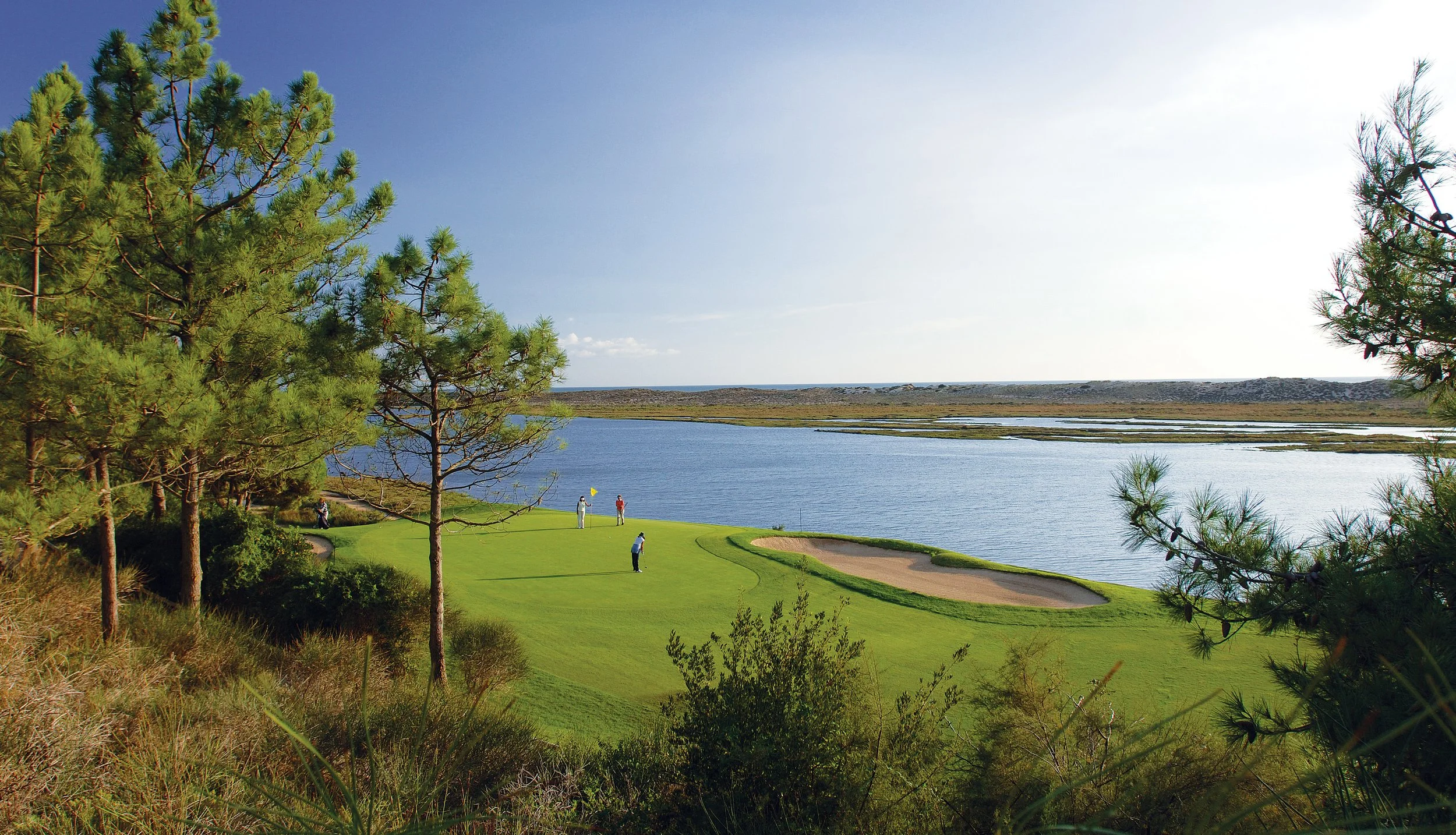
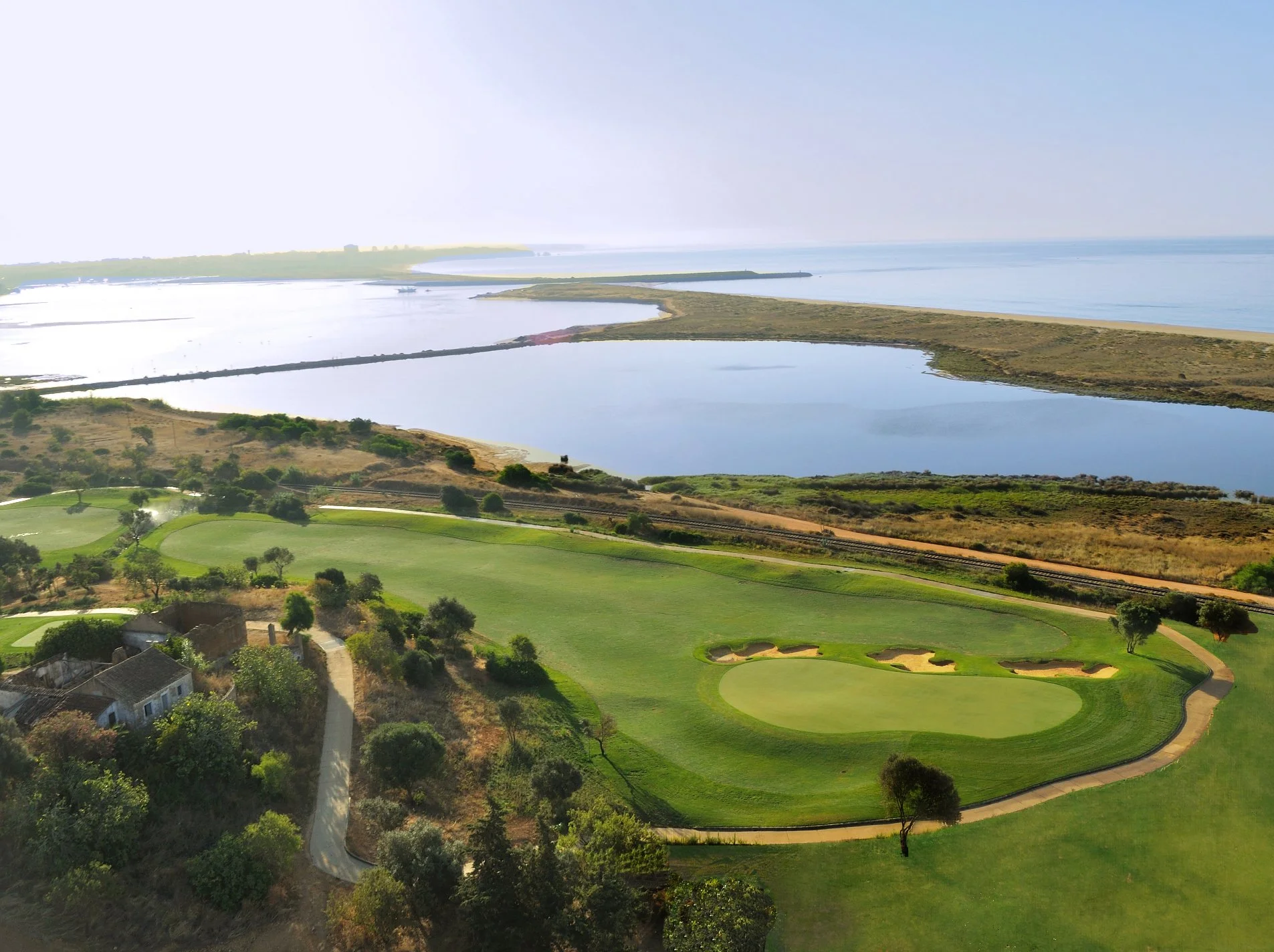
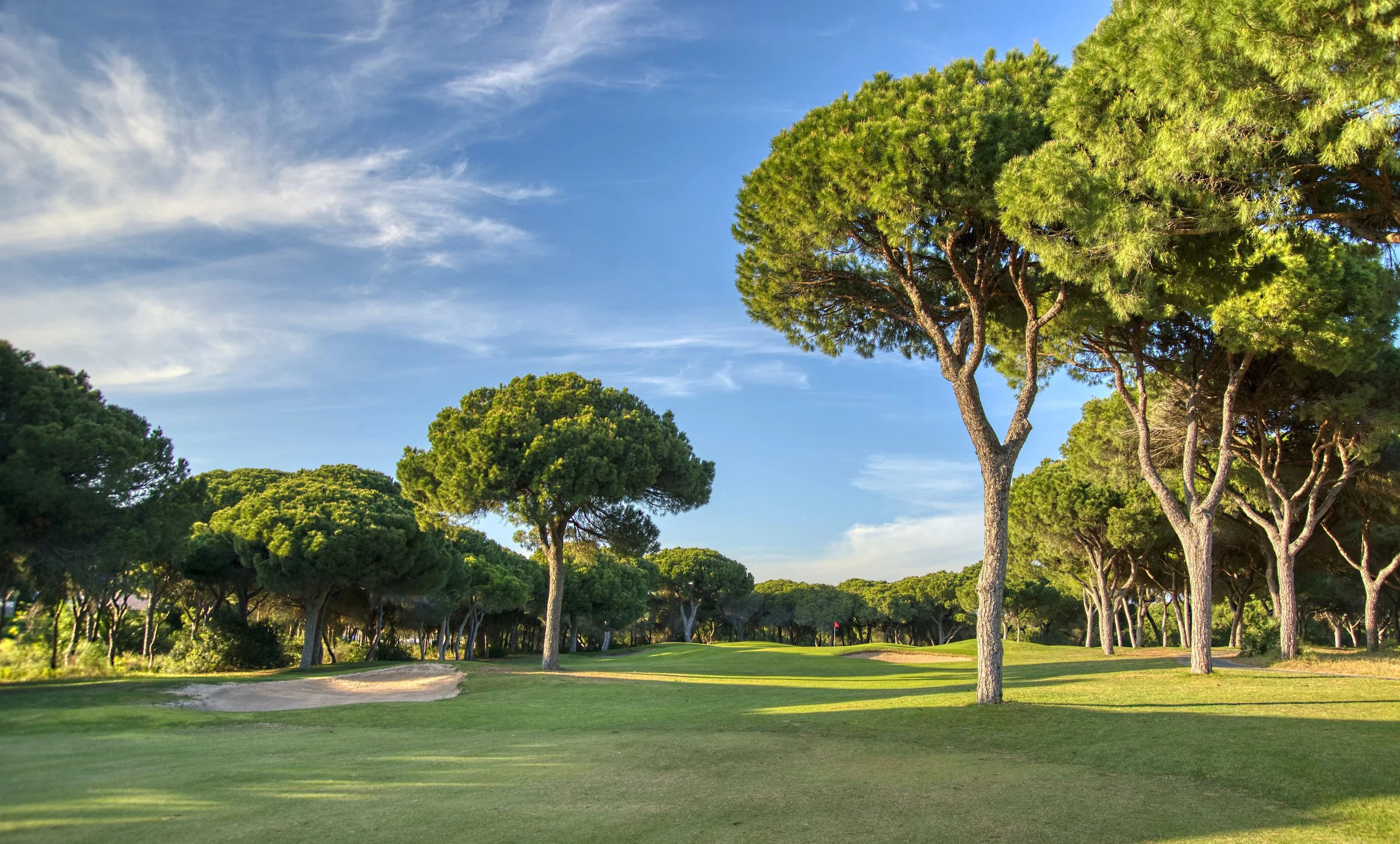
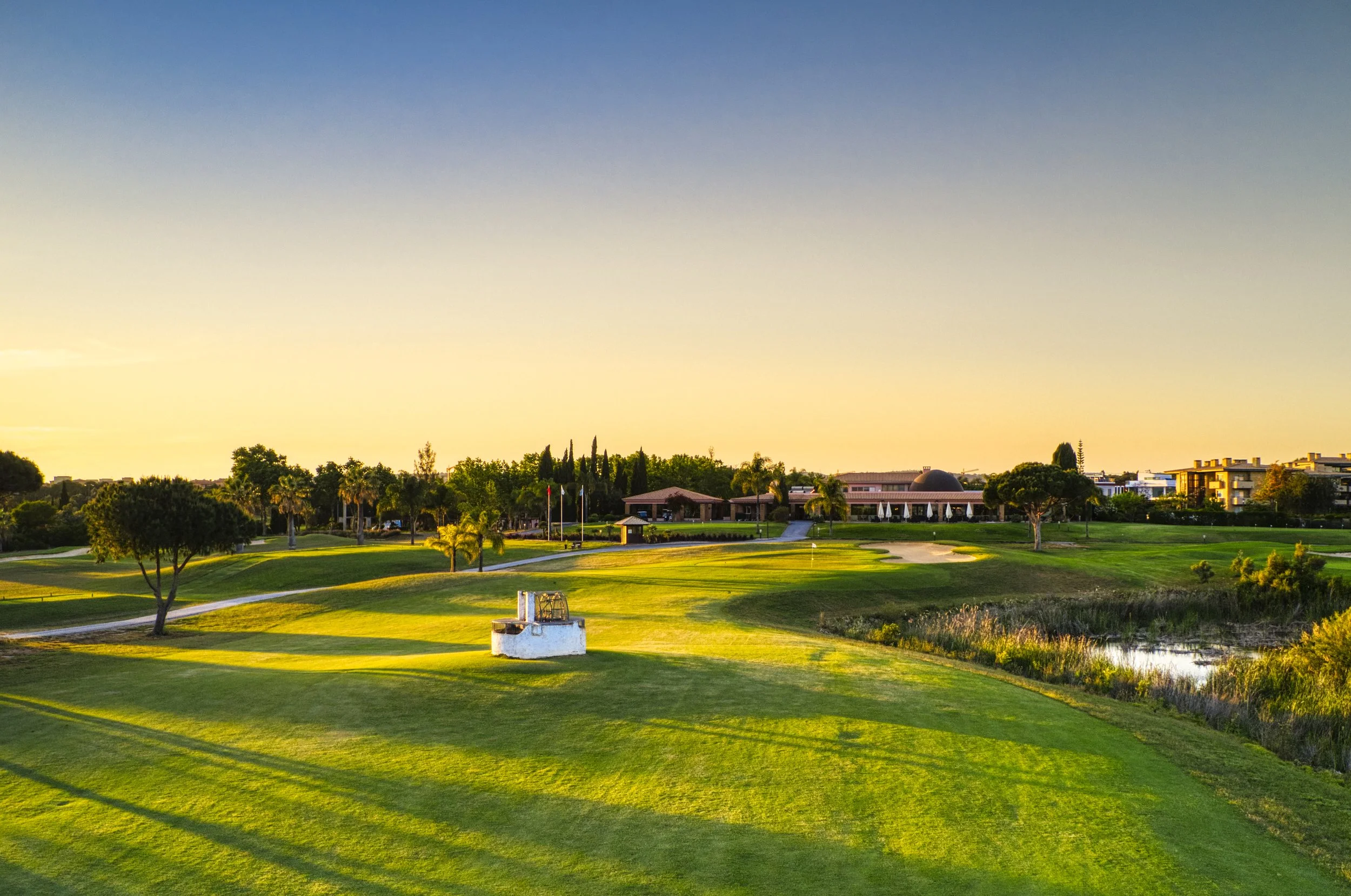
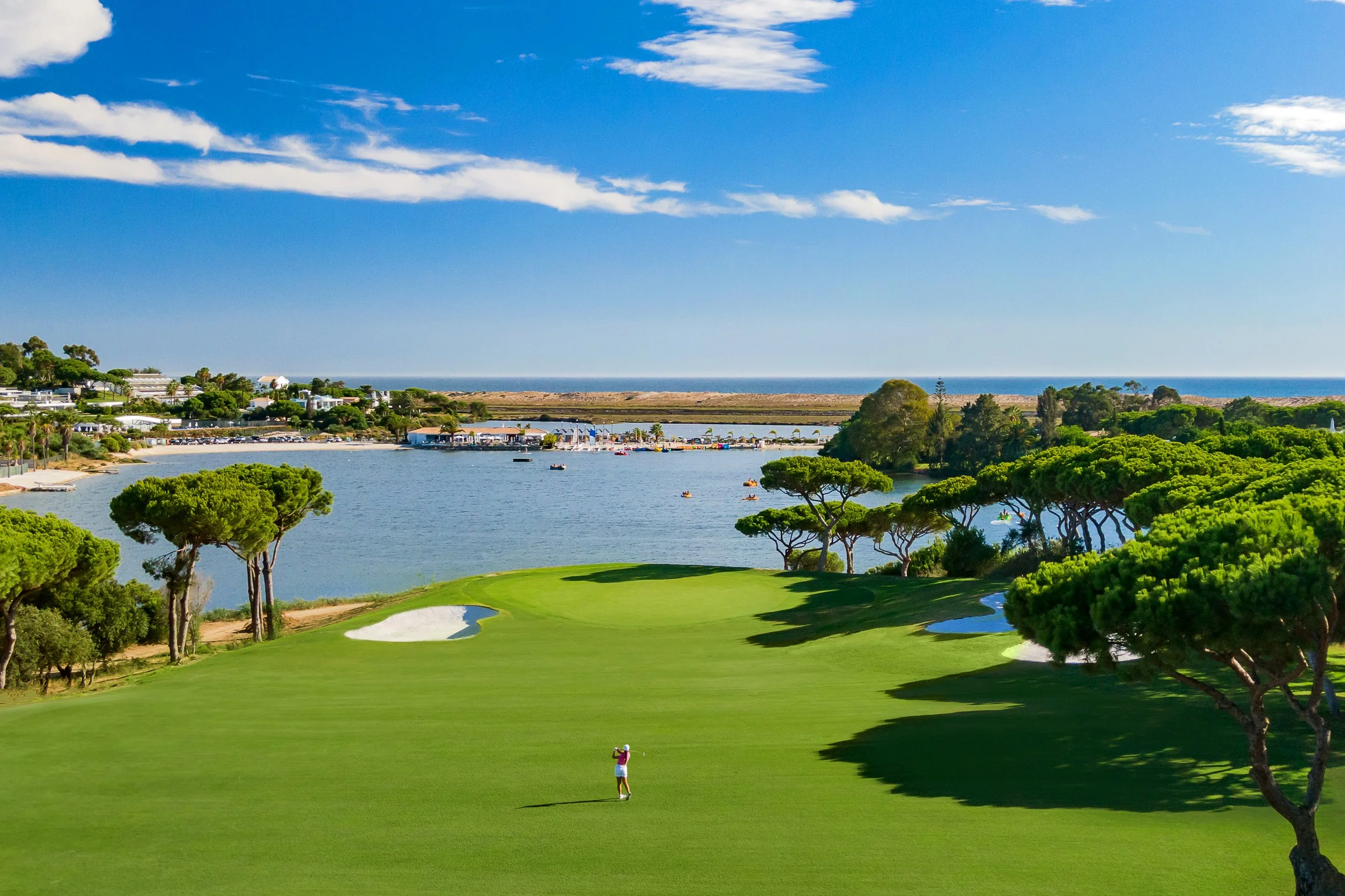
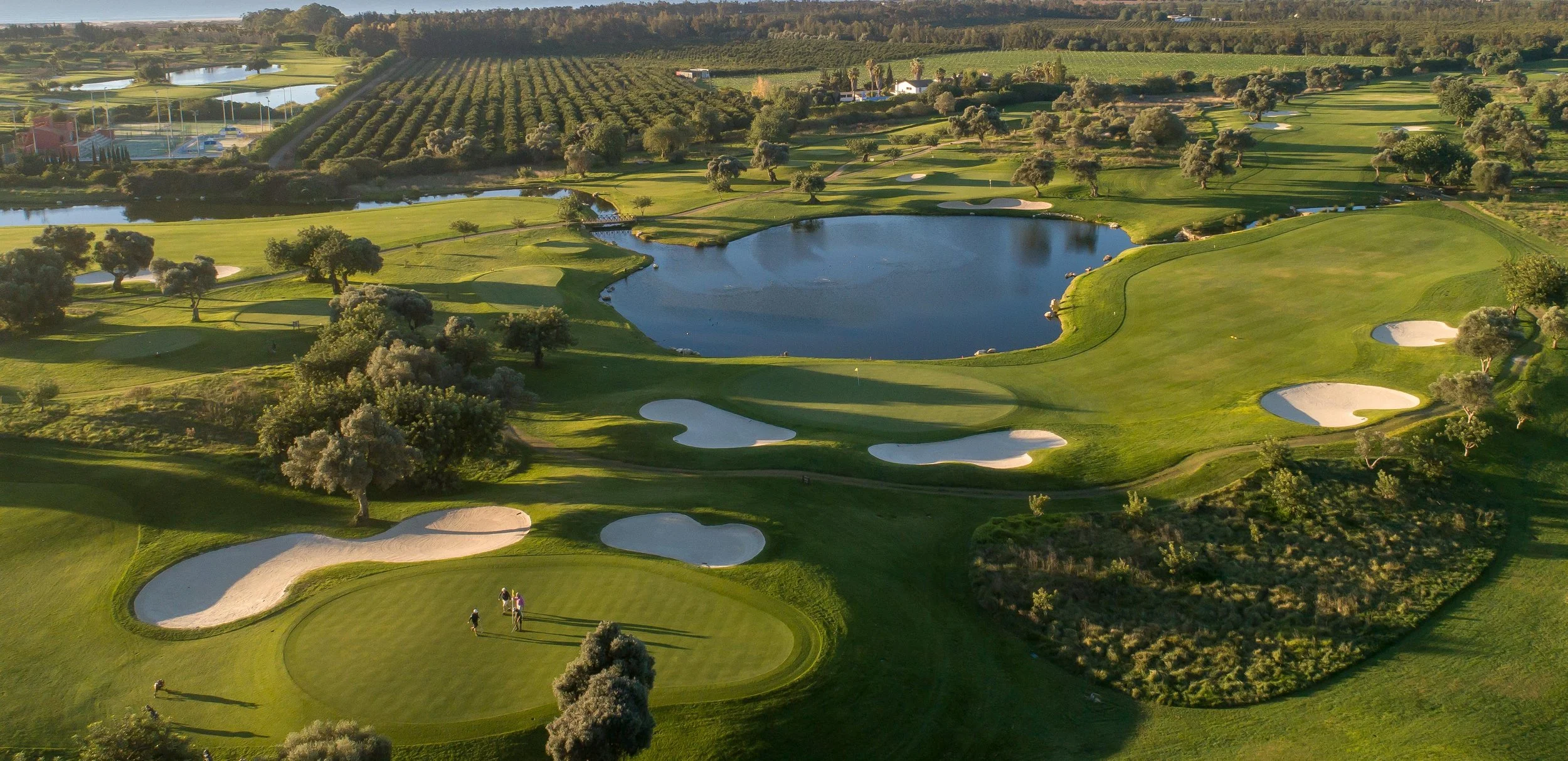
Algarve Golf Courses
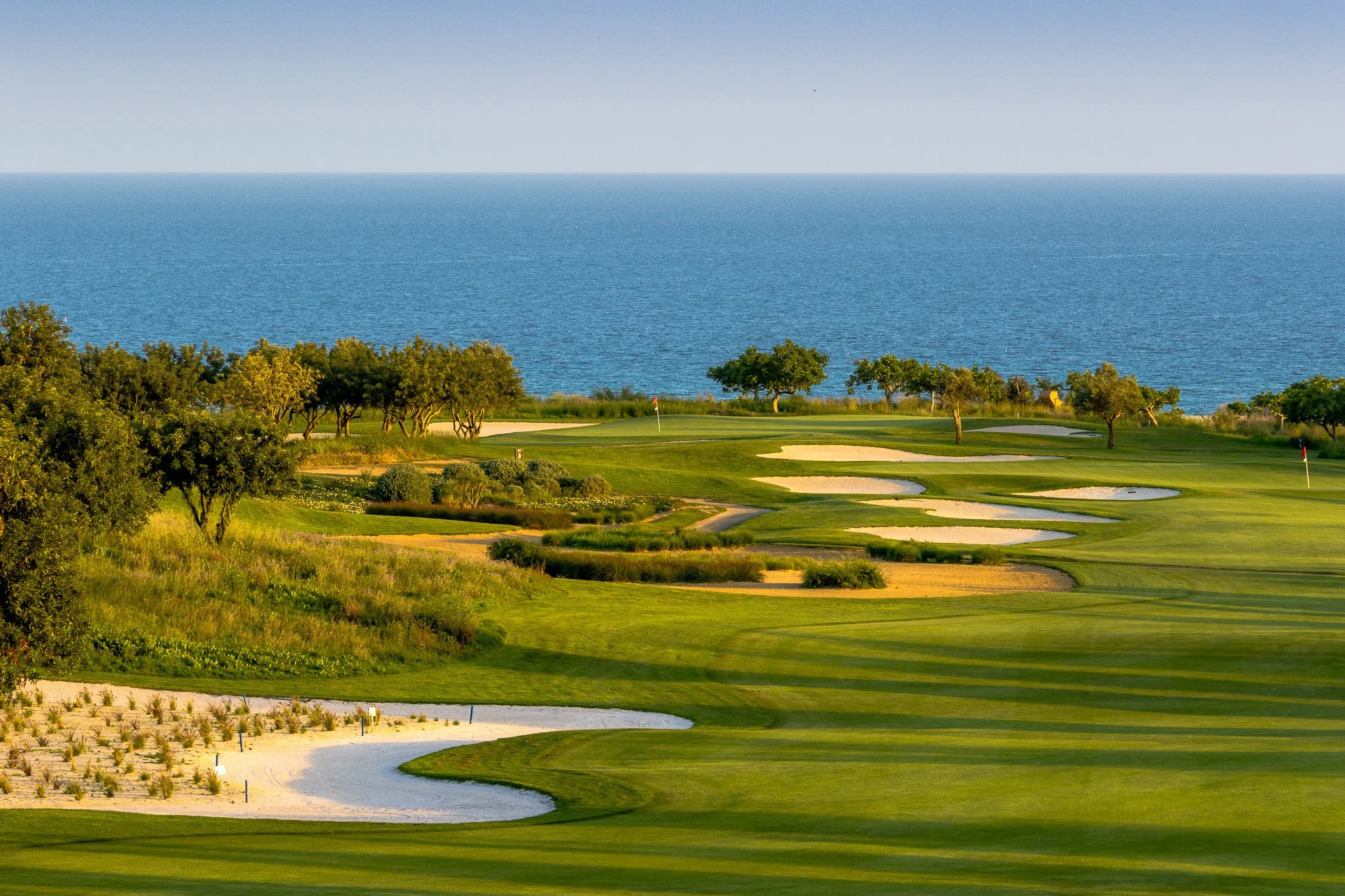
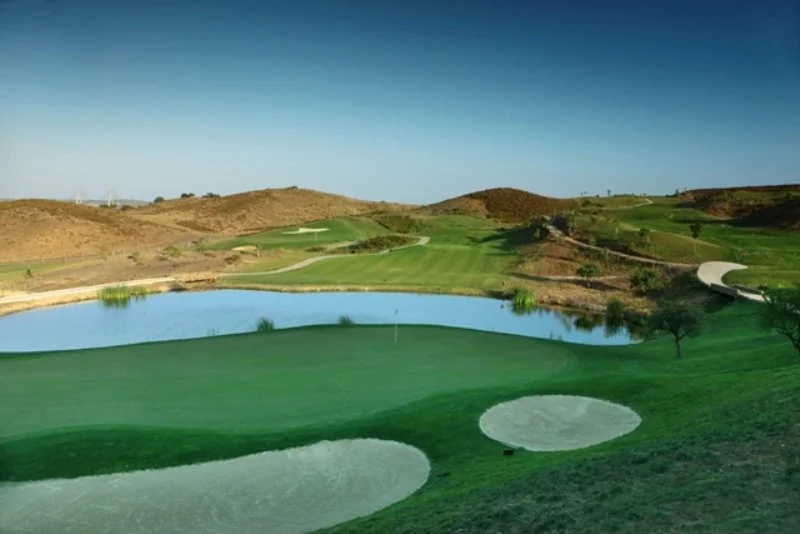
Quinta da Ria Golf
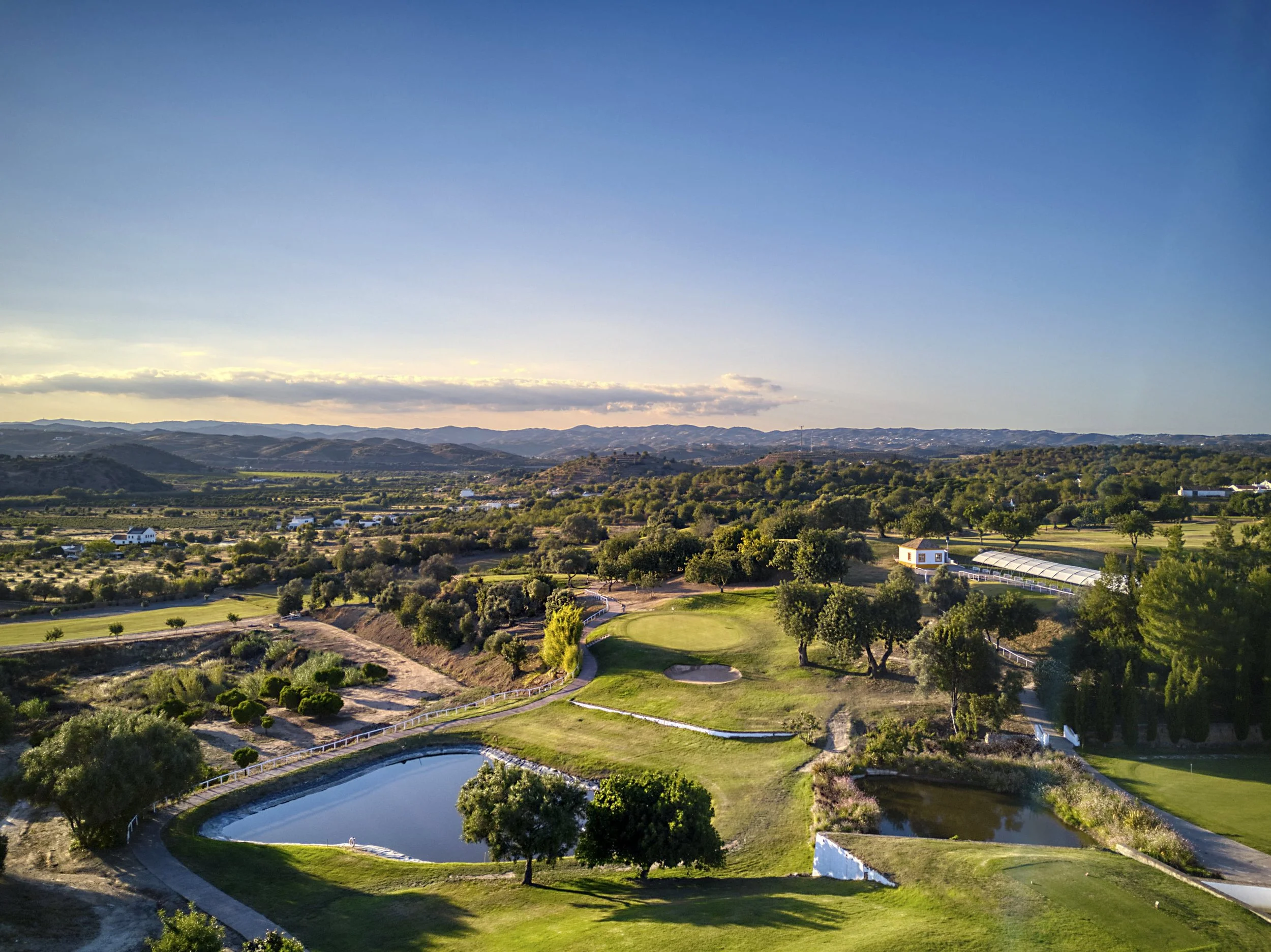
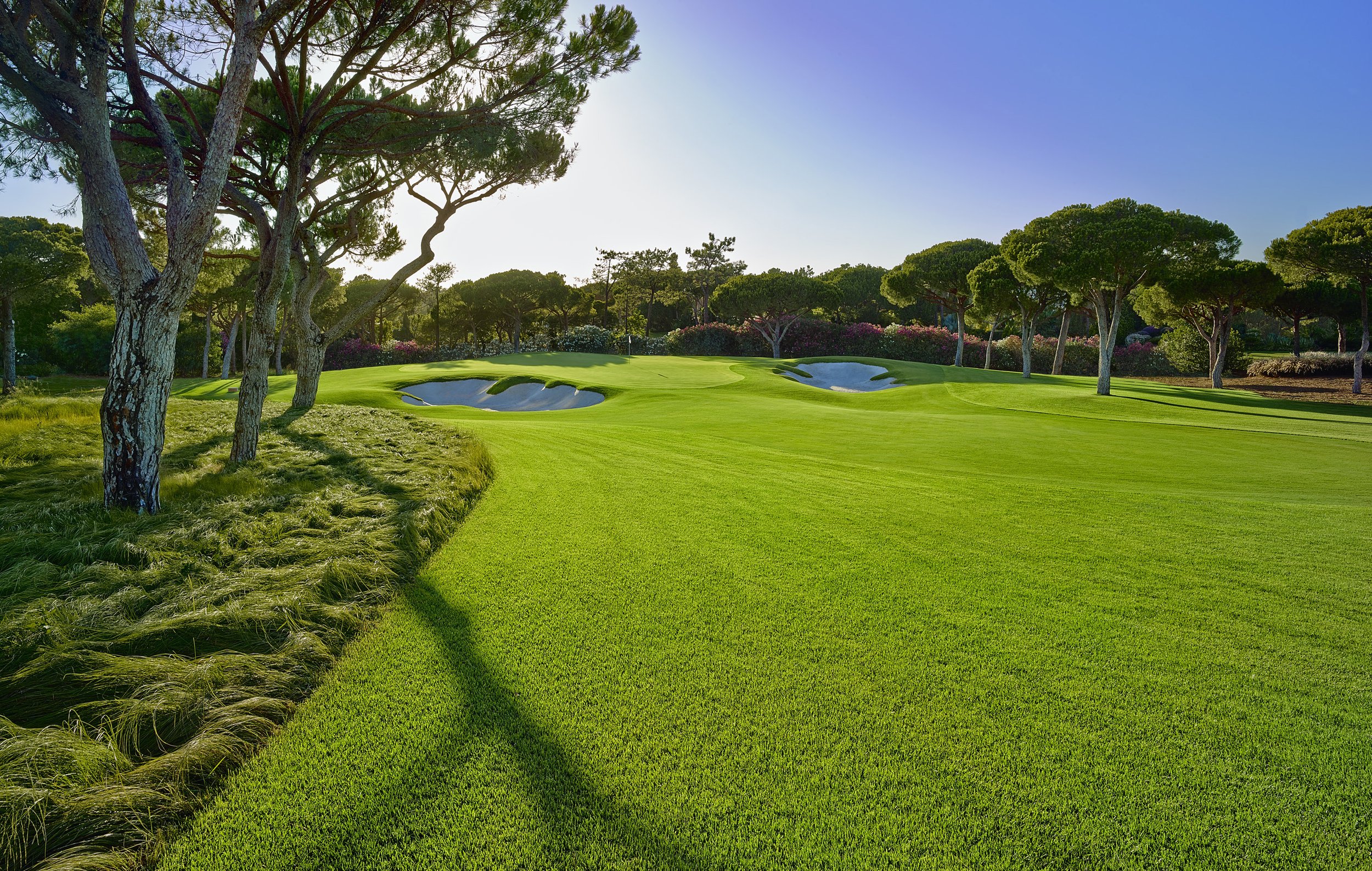
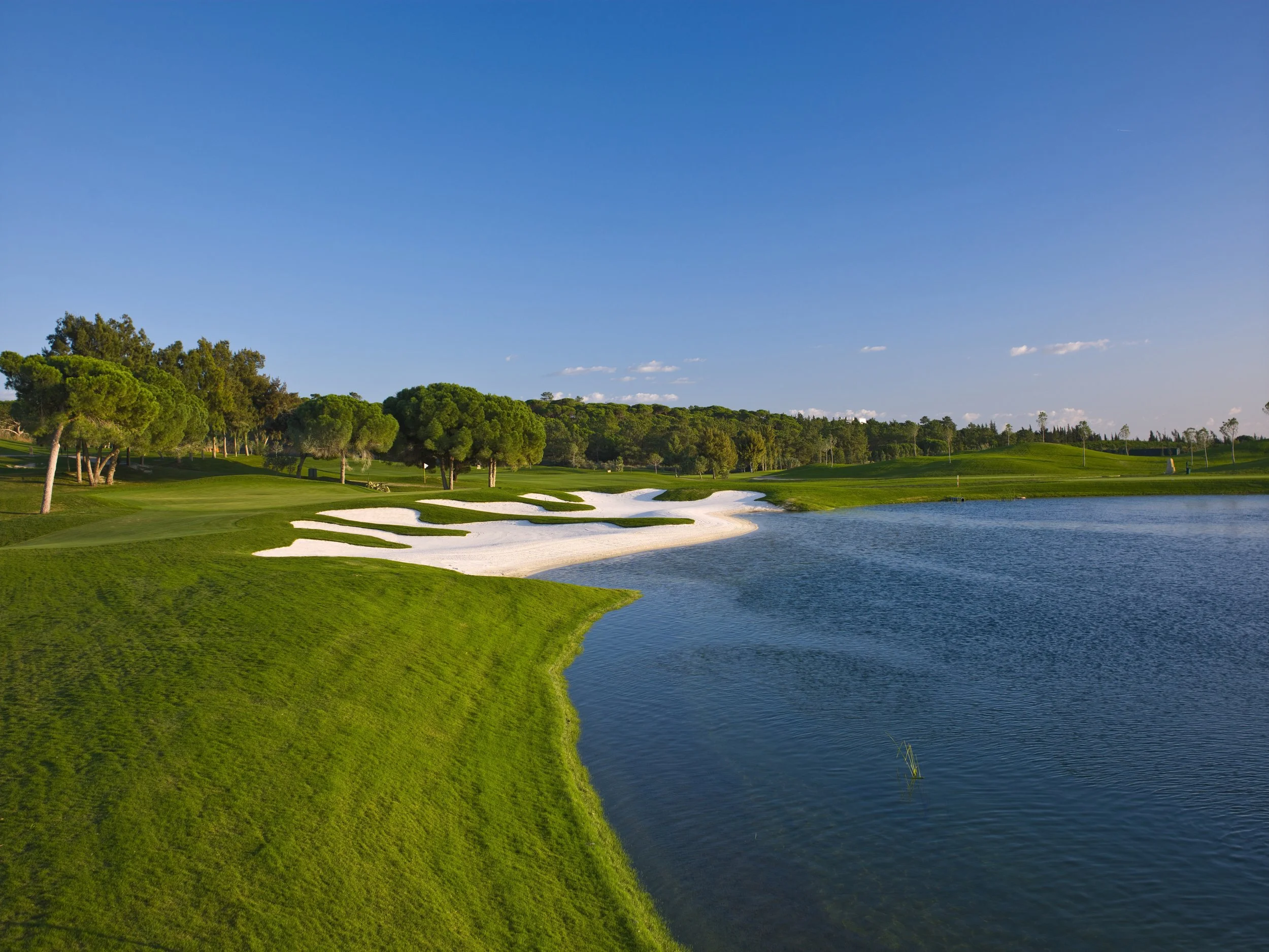
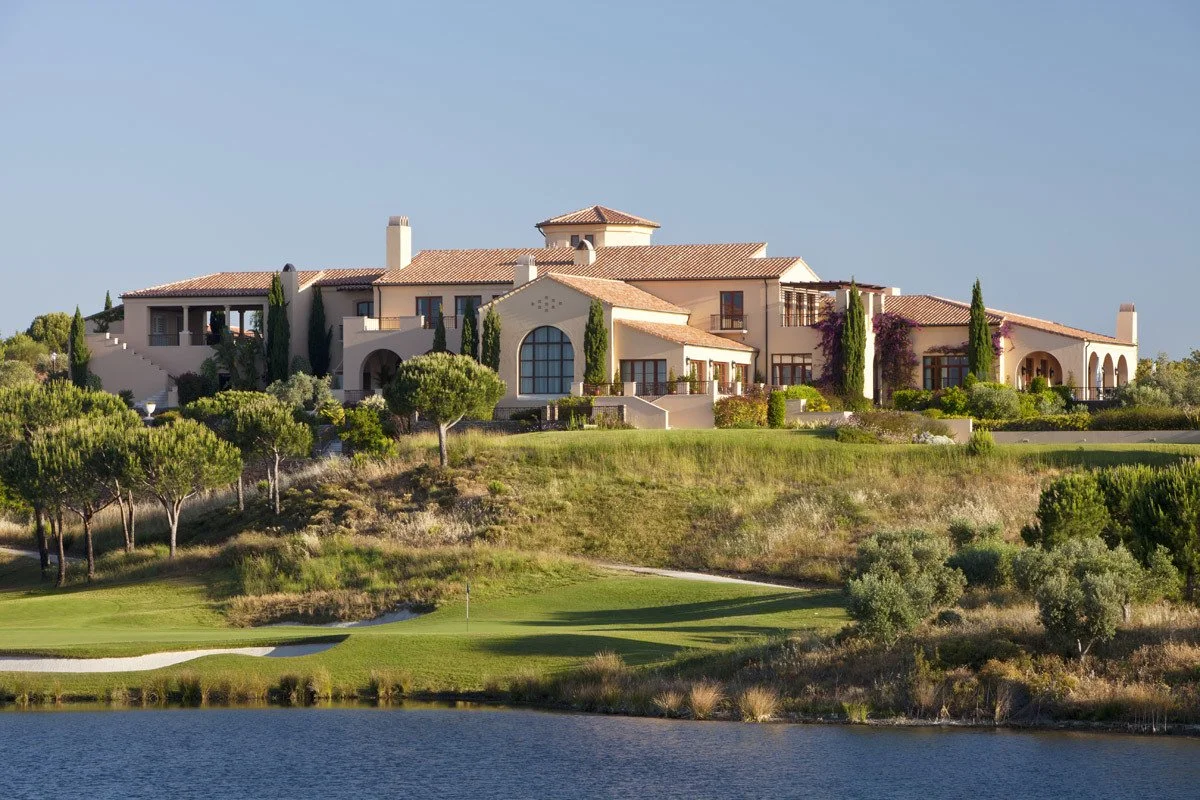
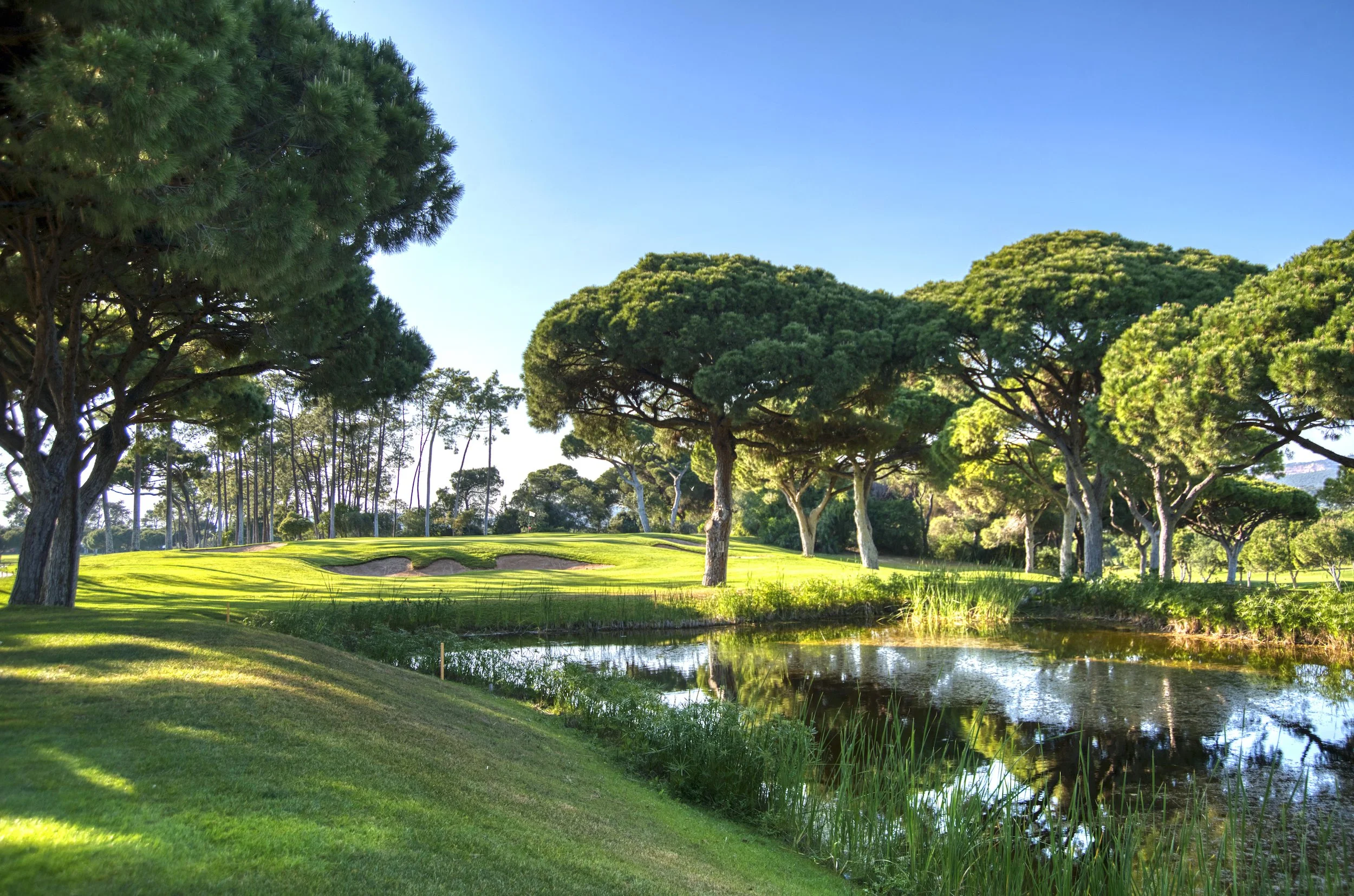
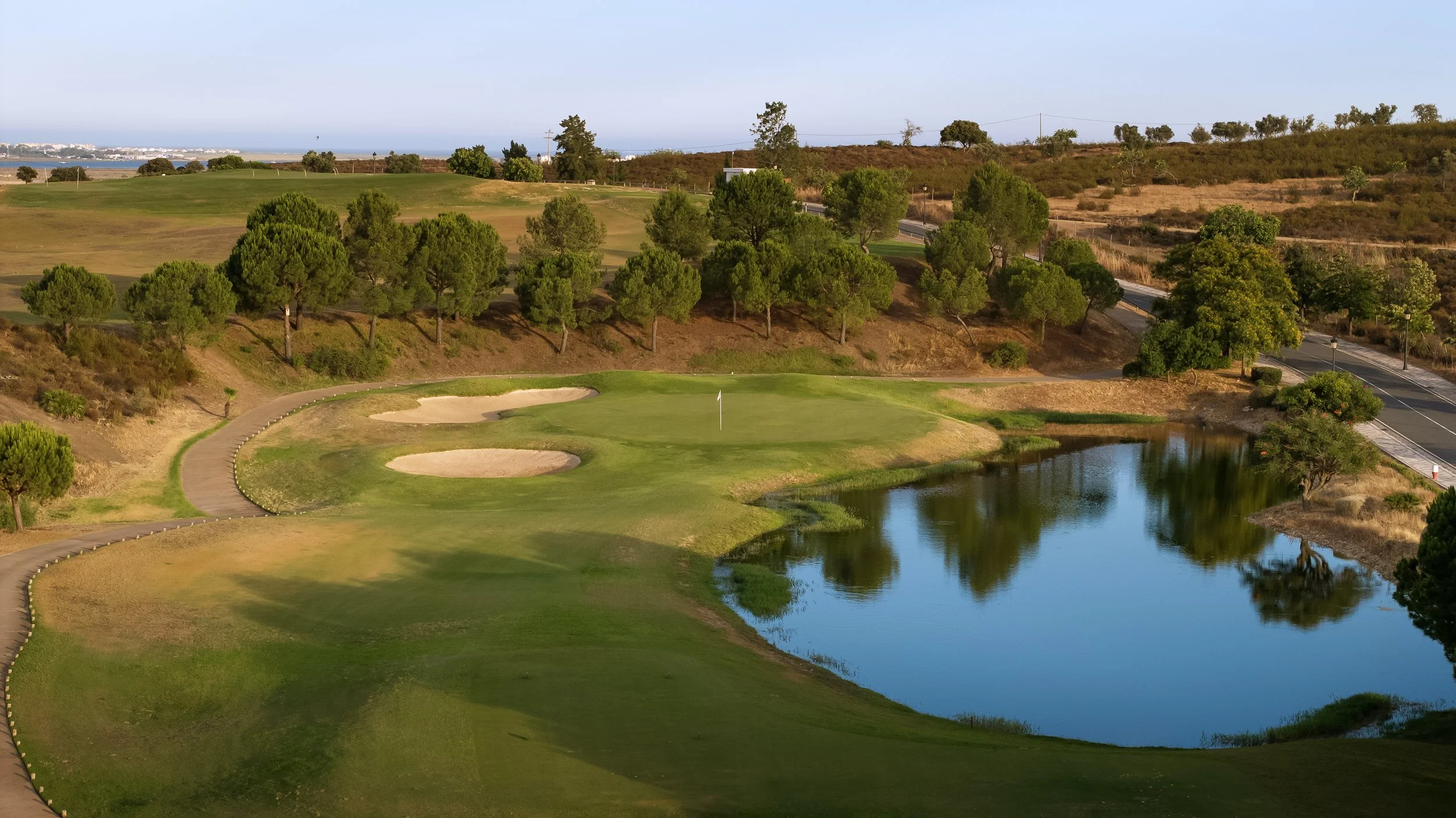
Quinta do Vale Golf Course
Quinta do Lago South
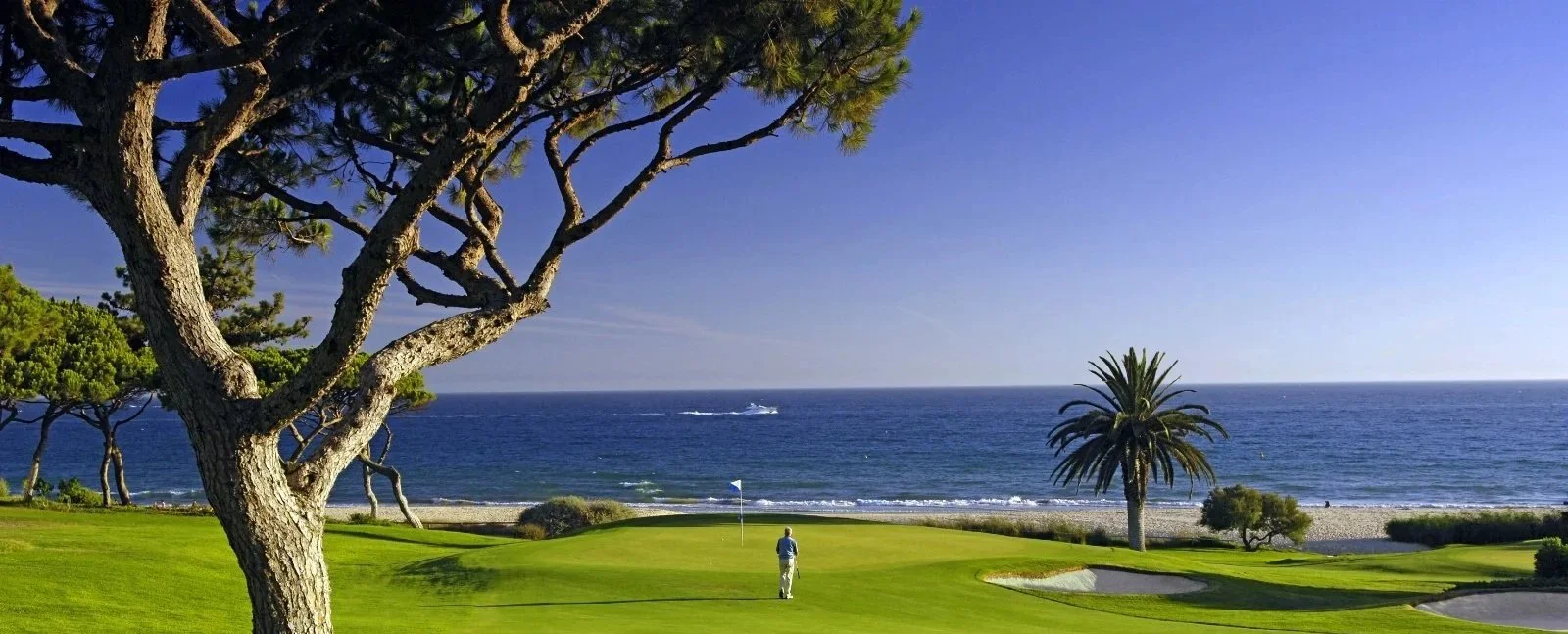
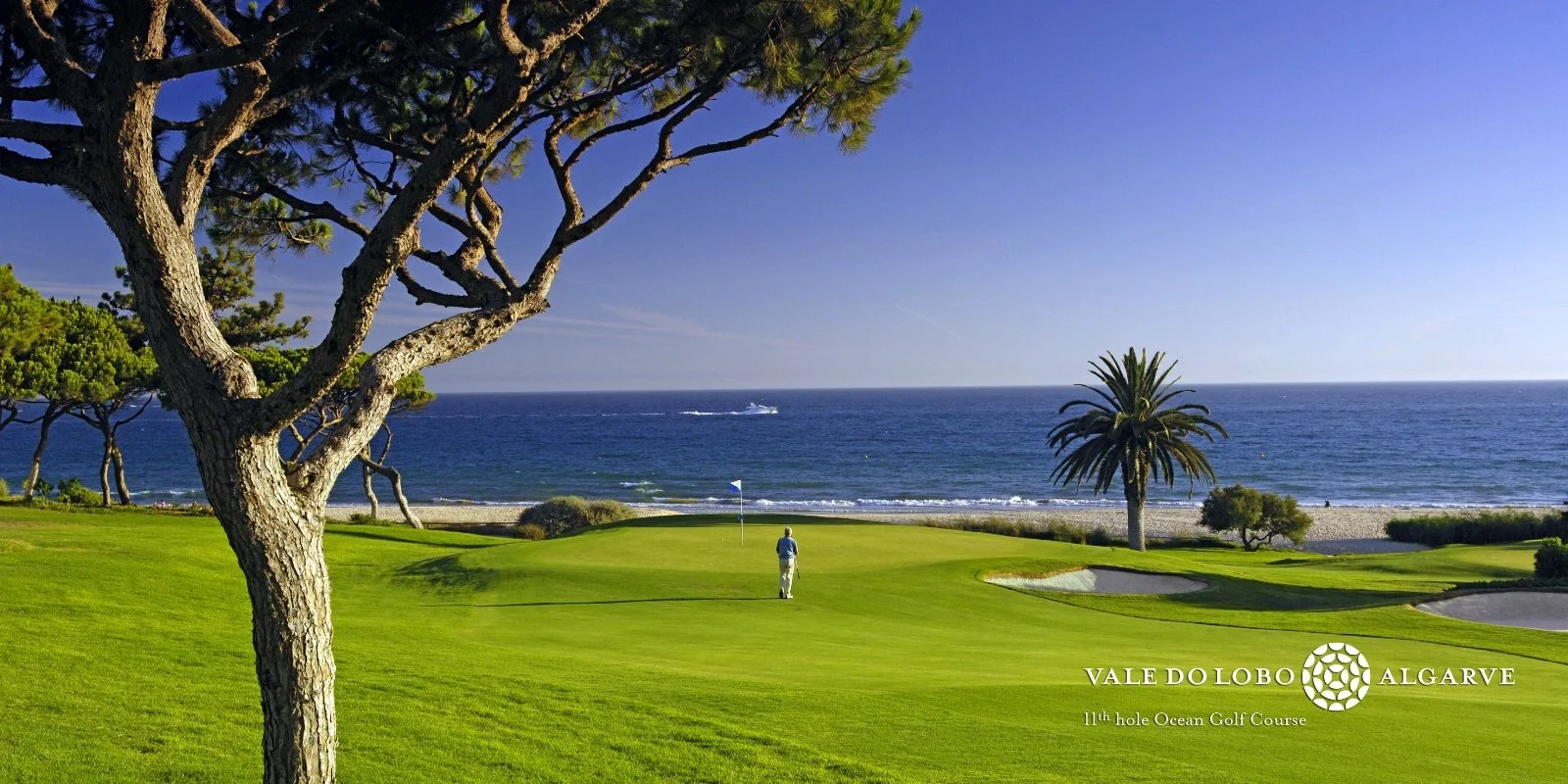
Ocean Course at Vale do Lobo
Quinta de Cima Golf Course
-
The Patio Suite Hotel
-
Hotel AP Cabanas Beach
-
AP MARIA NOVA LOUNGE HOTEL
-
Octant Vila Monte